
The GIOŚ’s heightened vigilance is paying off. Illegal shipments are being turned back.
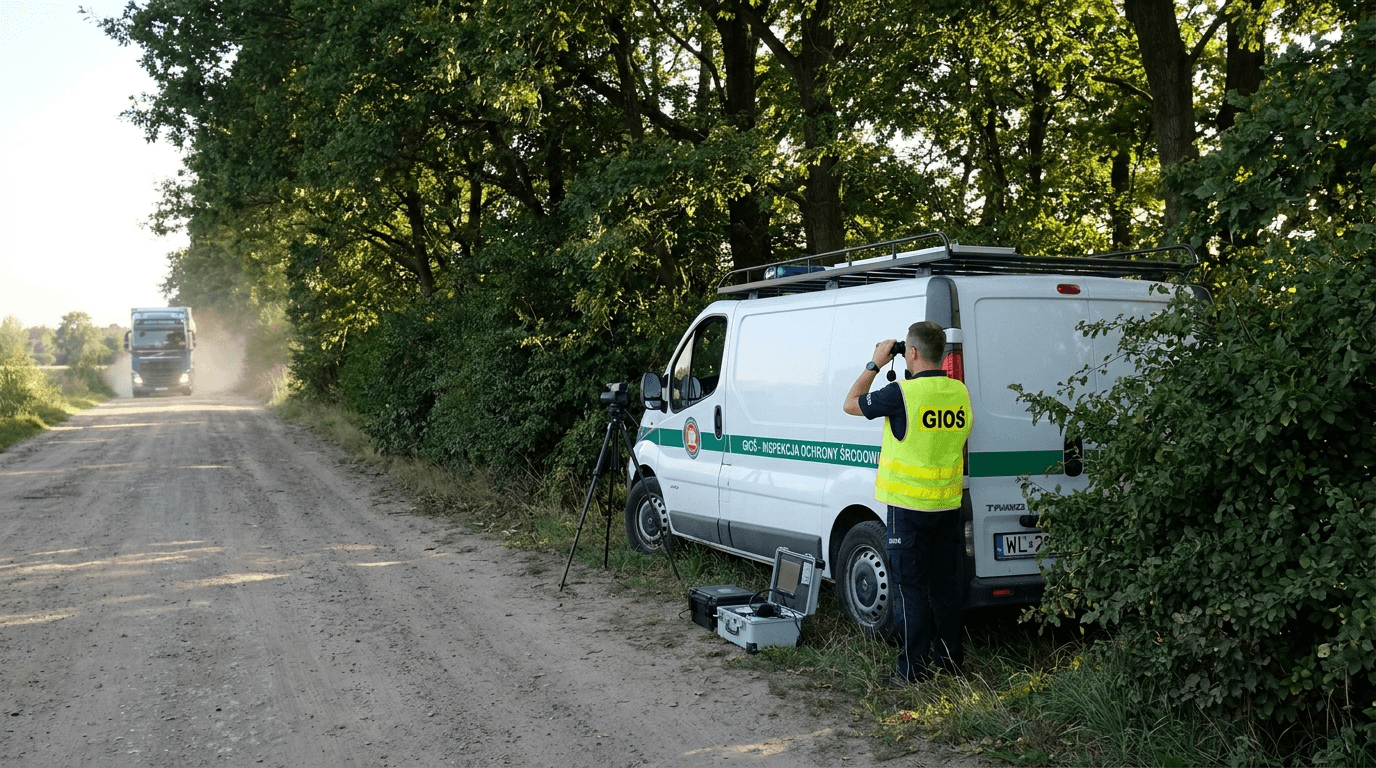
Polish authorities are becoming increasingly effective at tightening up the system for monitoring cross-border waste shipments. The latest example is an operation carried out by the National Revenue Administration and inspectors from the Chief Inspectorate for Environmental Protection. As a result of the intervention, over 21 tonnes of illegally transported waste were returned to the country of origin.
Contact with us
FAILURE TO REGISTER WITH DIWASS CONSTITUTES ILLEGAL WASTE TRANSPORT! DON’T TAKE THE RISK!
Justyna Blazewicz-Seredyn
Ewelina Nadolna
Details of the inspection and return of the consignment
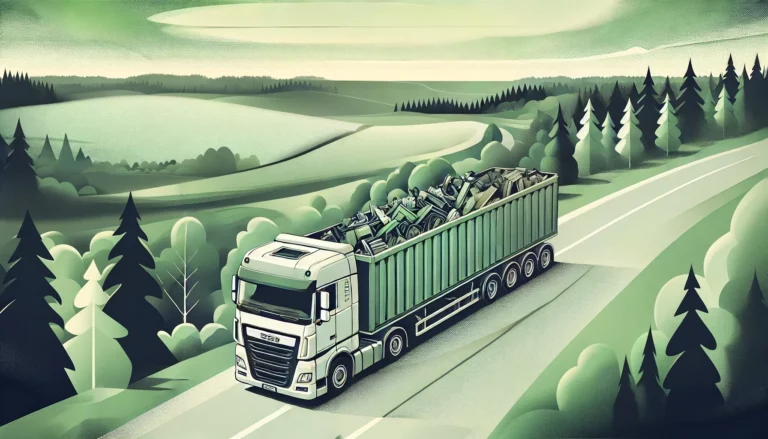
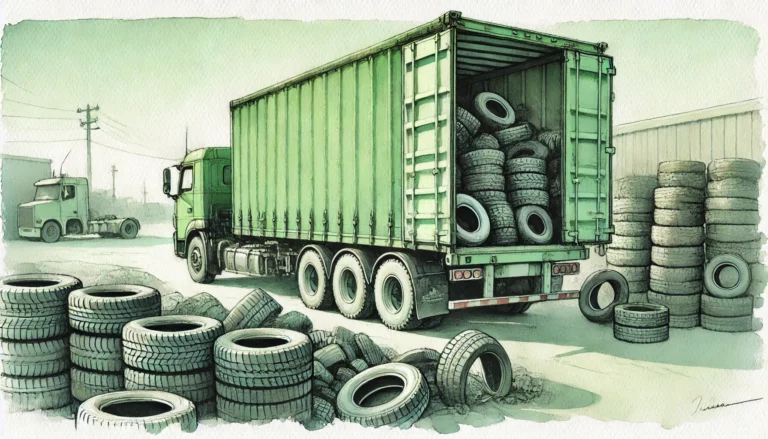
Transport was detained at Poland’s southern border. The documentation indicated that the consignment consisted of raw materials intended for recovery; however, a detailed inspection revealed that the load actually contained a mixture of waste. The consignment comprised, amongst other things, shredded electrical cables, rubber components, fragments of printed circuit boards and other contaminants. Consequently, the shipment was deemed to be illegal. The waste was returned to the consignor at the consignor’s expense.

The heightened vigilance of the Chief Inspectorate for Environmental Protection (GIOŚ) and the National Revenue Administration (KAS) shows that the supervisory authorities are becoming increasingly effective at identifying attempts to circumvent the regulations on the international transport of waste. This is particularly significant in the context of new EU regulations, which tighten the requirements for documenting and monitoring the flow of recyclable materials.
Digitisation of inspections and the DIWASS system
Experts point out that there may be many more such cases in the coming years. This is due not only to the fact that the GIOŚ’s heightened vigilance is yielding tangible results, but also to the ongoing digitalisation of supervisory processes. The DIWASS system is set to play a key role here, which will ultimately enable the electronic exchange of documentation relating to the shipment of waste between Member States.
The full implementation of digital solutions means faster data verification, easier detection of non-compliance and greater transparency throughout the entire transport process. Crucially, in practice, this can significantly hamper the activities of entities attempting to conceal the true nature of the waste being transported or to exploit administrative loopholes.
Outlook for the waste management market
The authorities are stepping up checks on a massive scale, and any attempts to conceal waste under the guise of recyclable materials will result in huge fines and the grounding of the fleet. In this situation, the only way to avoid being blacklisted and to cross the border without any problems is to switch immediately to the DIWASS digital system. That is why implementing an electronic document workflow is now a key requirement for survival in the market – without it, every journey becomes a costly gamble.