
A bail system in Poland? Yes, but only as of October 2025
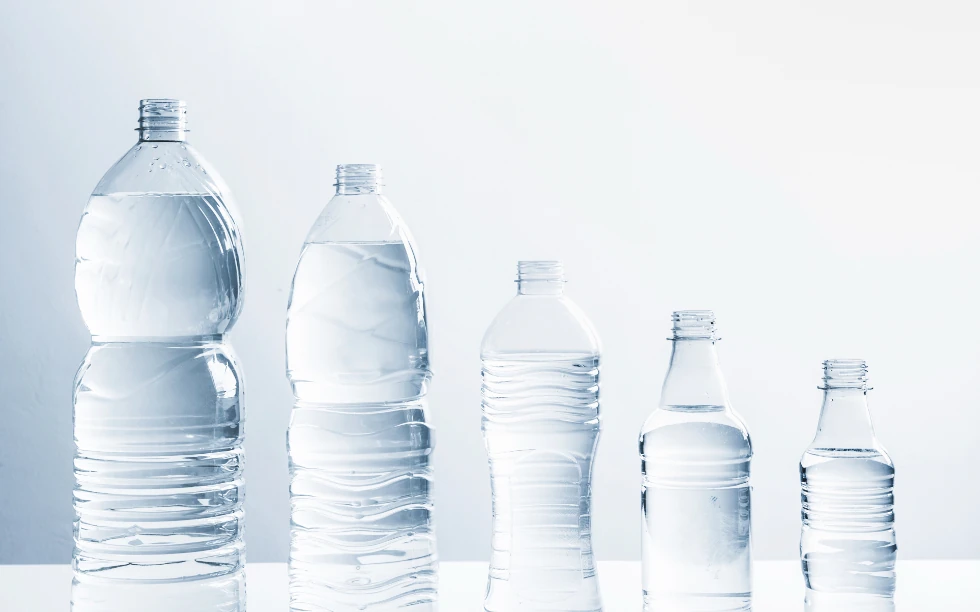
Following the example of the German Pfand deposit system, a similar solution is also to be introduced in Poland. Initially, it was planned to launch on 1 January 2025, but entrepreneurs objected, indicating that they needed more time to adapt to the new requirements. Therefore, it has been decided that the bail system in Poland will be introduced from 1 October 2025. What are its main assumptions?
Don't risk mistakes and penalties - get support from specialists. We will help you efficiently register your company with BDO, prepare all the required documents and provide training to help you find your way around the Register duties. We will also ensure that your reports are submitted on time.
Contact us:
e.nadolna@ekologistyka24.pl , +48 881 045 376
j.blazewicz@ekologistyka24.pl , +48 500 867 153
Bail system in Poland - what is it and why will it be introduced?
A deposit system is a mechanism that allows people to return plastic bottles and other packaging (such as aluminium cans or glass bottles) in exchange for money or another form of deposit. It is a way of encouraging people to donate used packaging rather than throwing it in the rubbish or on the street.
As we read on the government's the website dedicated to this initiative:
Traders introducing beverages in packaging covered by the system will be required to display a label on the packaging indicating that the packaging is covered by the deposit system and specifying the deposit amount. The system will cover single-use beverage packaging: PET bottles of up to 3 litres and metal cans of up to 1 litre, and reusable glass bottles of up to 1.5 litres.
Bail system in Poland only from October
Initially Law of 13 July 2023 envisaged the introduction of a deposit system from 1 January 2025, but representatives of the packaging industry strongly objected. They pointed out that they had too little time to adapt to the new requirements. This includes the preparation of new labels. According to the amended legislation, they will have to include a logo indicating that the packaging in question is part of the deposit system.
The government acceded to their request to postpone the launch of the system, albeit only partially. Initially, the delay was to be six months. However, it was decided that the Polish equivalent of the German Pfand system would be launched at the beginning of October 2025. The entrepreneurs, however, wanted it to be introduced only from January 2026.
The obligation to collect packaging covered by the deposit scheme will be imposed on shops over 200 square metres. Small shops of less than 200 square metres may join the scheme on a voluntary basis. The important thing is that all retailers, regardless of their size, will charge a deposit if they offer beverages in packaging covered by the system. The business profile of the shop in question is not important, but the products on offer. The government also permits the establishment of collection points for deposit packaging outside retail outlets.
How is it supposed to work?
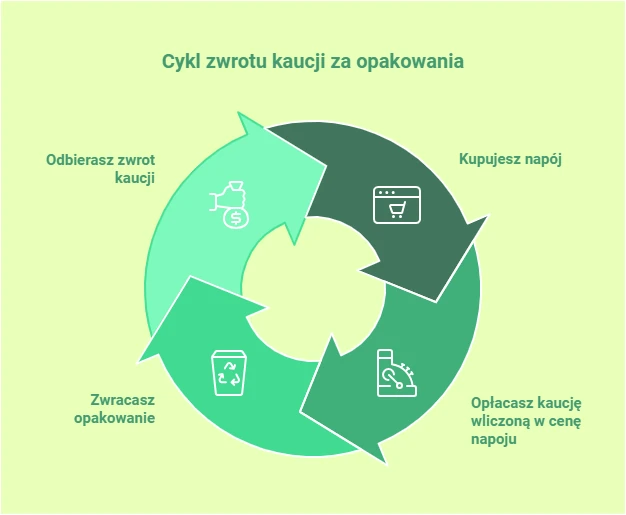
- When you buy a drink in a package with the bail system logo, the retailer will charge you a deposit. He will add it to the price of the drink you have bought, but only at the checkout.
- You will be able to collect the deposit when you return the packaging and - importantly - you will not need a receipt to do so.
- You will return such packaging at any collection point. This may (but does not have to) be at the shop where you bought the drink
Among the benefits of introducing a packaging deposit are:
- reducing environmental pollution from packaging waste,
- increase the level of separate collection of packaging waste,
- Increase recycling rates for packaging waste,
- creating positive habits regarding waste separation.
Two sides of the coin – the bail system in Poland and BDO
What is attractive to the consumer will be an additional obligation for the trader. Entities that offer packaged beverages under the deposit scheme will have to achieve certain levels of separate collection of packaging and packaging waste (77% from 2025 and 90% from 2029). In addition, for single-use plastic bottles, entrepreneurs will have to ensure that the packaging, including its caps and lids, contains a certain percentage of recyclate by weight. This involves at least 25% of recycled plastic from 2025 and 30% from 2030.
Entrepreneurs will also be responsible for financing the system. They will therefore cover costs that relate to, among other things, the collection, collection and transport of packaging and waste, and are also related to the record keeping and settlement of deposits.
There is still plenty of time until October, but why wait until the last minute? As they say, the prudent always insure. And with us and our more than 10 years of experience, you can be sure that your waste management will be in good hands. The bail system in Poland vs BDO - do you have questions? Contact with us And don't worry about the future.
Are you a haulier who transports plastic, aluminium, glass or other waste, but the BDO waste transfer note issues are still causing you problems? Or perhaps you are just considering obtaining the relevant permit? Come to us for a training session or speak to our specialist - we will dispel your doubts.
[UPDATE 16 July 2026]
The government is considering extending the deposit scheme to include glass
The Ministry of Climate and the Environment has announced that, once the summer holidays are over, it will decide whether extend the deposit scheme to include single-use glass containers, including the popular „monkey bottles”. The current deposit-refund scheme primarily covers PET plastic bottles and metal cans, whilst single-use glass containers remain outside its scope. The decision will depend on how the current scheme copes with the peak demand during the summer months.
The industry is concerned about rising costs
The proposal was met with a cautious response from representatives of the retail and packaging sectors. In their view, extending the scheme to include single-use glass bottles would mean having to adapt logistics, increase storage space and prepare shops to handle heavier and more damage-prone packaging. There are also concerns about an increase in the operating costs of the entire system, particularly for small retail outlets.
No final decision has yet been made regarding the implementation of the changes. The Department for Climate Action has announced that, following an analysis of how the deposit scheme is working after the summer holidays, it will decide whether to begin work on extending it to include single-use glass packaging. If a positive decision is taken, the next step will be legislative work to amend the current regulations.