

The most common waste transport inspections - how to prepare for them and what do inspectors check?
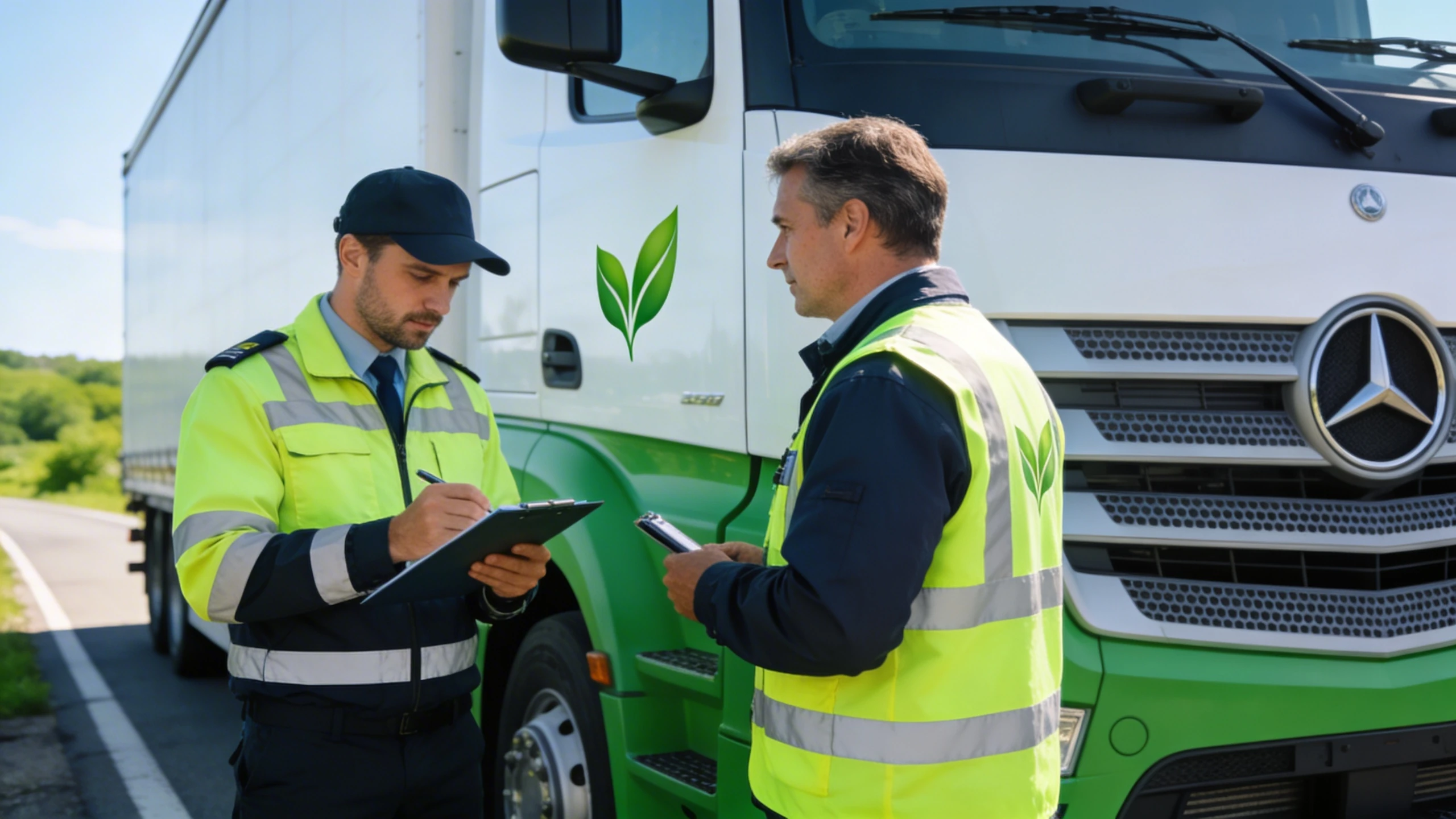
How to effectively prepare a company for rigorous inspections in waste transport? We look at the powers of services such as ITD, WIOŚ or KAS and analyse the requirements for BDO documentation and the SENT system. The text points out the key technical and formal aspects, the observance of which helps to avoid severe administrative penalties and downtime in the logistics chain.
Need help preparing for inspections, handling BDO or SENT submissions? Get in touch with us
Contact us and entrust the care of your business to professionals:
e.nadolna@ekologistyka24.pl , +48 881 045 376
j.blazewicz@ekologistyka24.pl , +48 500 867 153
Supervisory authorities: Who controls waste transport?
Waste transport in Poland is subject to rigorous verification by several specialised institutions. The most active is the Road Transport Inspection (ITD), which focuses on the technical aspects of vehicles and drivers' working time. In parallel, inspectors from the Provincial Inspectorates for Environmental Protection (WIOŚ) supervise the substantive compliance of cargo with administrative decisions. In border zones and when transporting sensitive goods, the National Tax Administration (KAS) plays a key role, monitoring flows in the SENT system.
Scope of inspection: Formalities and technical condition
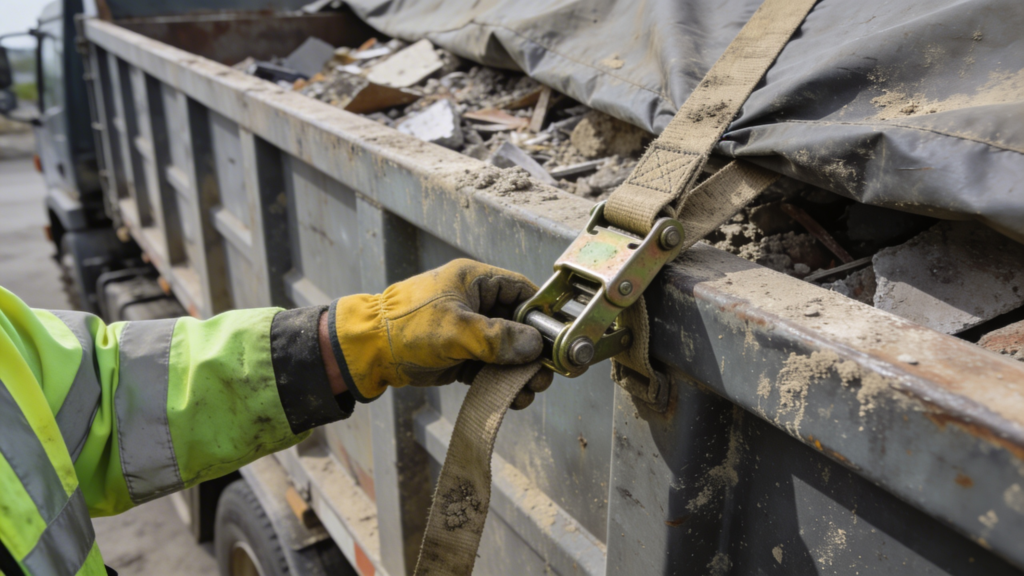
The inspection process is multi-faceted and includes both the verification of digital traces of operations in databases and the physical inspection of the vehicle. Lack of consistency between documentation and facts is the most common reason for sanctions. The following overview presents the main areas of focus for inspection services:
| CONTROLLING BODY | KEY AREA OF VERIFICATION | DOCUMENT/SYSTEM REQUIRED |
| ITD | Technical condition, tonnage, cargo securing | Licence extract, KPO (BDO), tachograph |
| WIOŚ | Legality of waste, waste codes, target installations | Transport licence, entry in BDO register |
| KAS / Border Guard | Transport of sensitive goods and hazardous waste | SENT reference number, GPS geolocation |
Digital surveillance: The role of BDO and the SENT system
Operational risk: Why do breaches occur?
Lack of communication between the office and the driver
One of the main sources of violations is poor communication between the office and the driver. Often, documents in the BDO are prepared without checking the real weight of the waste, the load capacity of the vehicle and the method of loading. The problem only comes to light during an inspection or weighing by ITD. This exposes the company not only to fines for overloading, but also to accusations of non-compliance of the documentation with the facts.
Neutralisation of documents is a major risk
The industry is still faced with attempts to „tailor” documents to the situation revealed en route, especially in international transport This practice is reprehensible and high risk. The driver usually has little say in this arrangement. Nonetheless, he or she is involved in the carriage and bears the direct consequences of the control. If the data in the documents do not correspond with reality, the consequences can be severe both for the company and for the driver himself. It is worth adding that such actions will be much more difficult, if not impossible, once the DIWASS system. From 21 May 2026, the electronic workflow is expected to reduce the possibility of tampering with records once transport has begun.
Poor technical condition of the vehicle
The technical condition of the fleet is also a frequent problem. Leaky bodywork, leaks and dusty waste are all considered environmental hazards. In such cases, inspectors rarely end the case with a caution. More often they impose fines and withhold the vehicle's registration certificate.
Preparing staff for roadside checks

The driver must be familiar with the control procedure
The driver is the key link during a roadside check. It is often his preparation that determines whether a check runs smoothly or turns into a serious problem. He or she should be able to quickly produce the required documents, know the basic transport data and know how to use the BDO system, including on a smartphone. Familiarity with the arrangement of load security is also important. The more familiar the driver is with the vehicle and the documentation, the lower the risk of chaos during control operations.
Training reduces errors on the road
Simply issuing documents is not enough. Companies should regularly train drivers and office staff in control procedures. This is not only about regulations, but also about practice. Staff need to know which documents to show first, how to answer the inspector's questions and how to act if discrepancies are found. A well-prepared staff member does not act chaotically under pressure. He or she is able to remain calm and reduce the risk of additional violations.
Pre-departure check-list is a must
In many companies, simple checklists completed before leaving the base work well. Such a checklist organises responsibilities and reduces the risk of omissions. It should include, among other things, a check of the „WASTE” plates, the correctness of the KPO number, the condition of the tarpaulin and basic load securing. These are small things, but their absence is often the reason for stopping the vehicle, prolonging the inspection or imposing a fine.
Prevention and systematic fleet audits
Waste transport management requires constant updating of knowledge of changing regulations. Investment in modern GPS monitoring systems integrated with the SENT system and regular technical inspections of the fleet are the foundation of legal security. An entrepreneur who focuses on transparency is less likely to be targeted by uniformed services.
It is also advisable to carry out periodic internal audits, during which the consistency of the records in BDO with the actual transport orders is verified. The detection of an error at the office stage allows it to be corrected in the system before the documentation gets into the hands of an inspector during a roadside check.
Control is not a problem but a test of the organisation
A diligent approach to waste haulage obligations simply pays off. Even one serious penalty can mean very severe financial losses for a company. Therefore, spending on training, procedures and proper fleet preparation should not be seen as a cost, but as a form of business security. A well-organised company reduces the risk of violations and copes better during inspections.
The image aspect is equally important. An impeccable inspection history builds credibility in the eyes of contractors. In the waste industry, this is important because more and more partners are paying attention not only to the price of the service, but also to environmental safety and compliance with regulations. A company that is in control of its documentation, the technical condition of its vehicles and the preparation of its personnel strengthens its position in the market.
A well-prepared company does not treat a roadside inspection as an extraordinary threat. It should see it as a standard part of operations. Consistent documentation, a properly labelled fleet and trained personnel are nowadays not an add-on, but the basis for safe waste transport.
Author: Jakub Koszyński | Editorial: Pawel Makowski