
Accident during waste transport - procedures and treatment
Road transport of waste is one of the most demanding sectors of logistics. Transport companies are confronted every day with the risk of an accident during the transport of loads with varying degrees of damage to the environment. Road statistics show that proper preparation of the driver and logistics management staff significantly reduces the negative effects of incidents. A professional approach to safety protects not only human health, but also ecosystems from irreversible degradation.
Need help with waste transport?
FTL loads and top-ups on routes throughout Europe. Don't wait, write or call:
a.zabron@innovationtrading.eu , +48 881 039 312
dispo@innovationtrading.eu , +48 519 516 869
Legal framework governing waste transport in Poland
The legal basis for companies carrying out waste transports is the Waste Act and environmental regulations. These documents require the haulier to hold the relevant permits and to be registered in the BDO database. It is worth emphasising that in the case of waste considered as hazardous goods, the following are also of key importance regulations of the ADR agreement. This agreement specifies the technical requirements for the vehicles and the qualifications necessary for the drivers handling such assignments.
Failure to comply with legal standards generates serious financial and legal consequences for the transport operator. Inspection authorities, such as the Road Transport Inspection or the Environmental Protection Inspection, rigorously verify the documentation and technical condition of the fleet. Companies must therefore constantly update their knowledge of changing national and EU regulations. The correct interpretation of the law is the first step towards building a safe logistics system.
General scheme of action following a road traffic incident
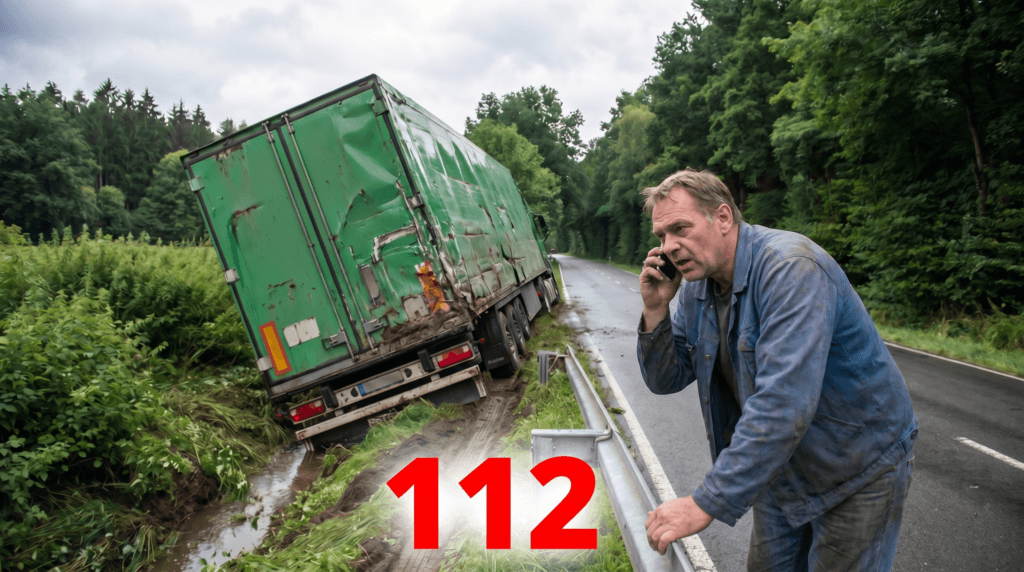
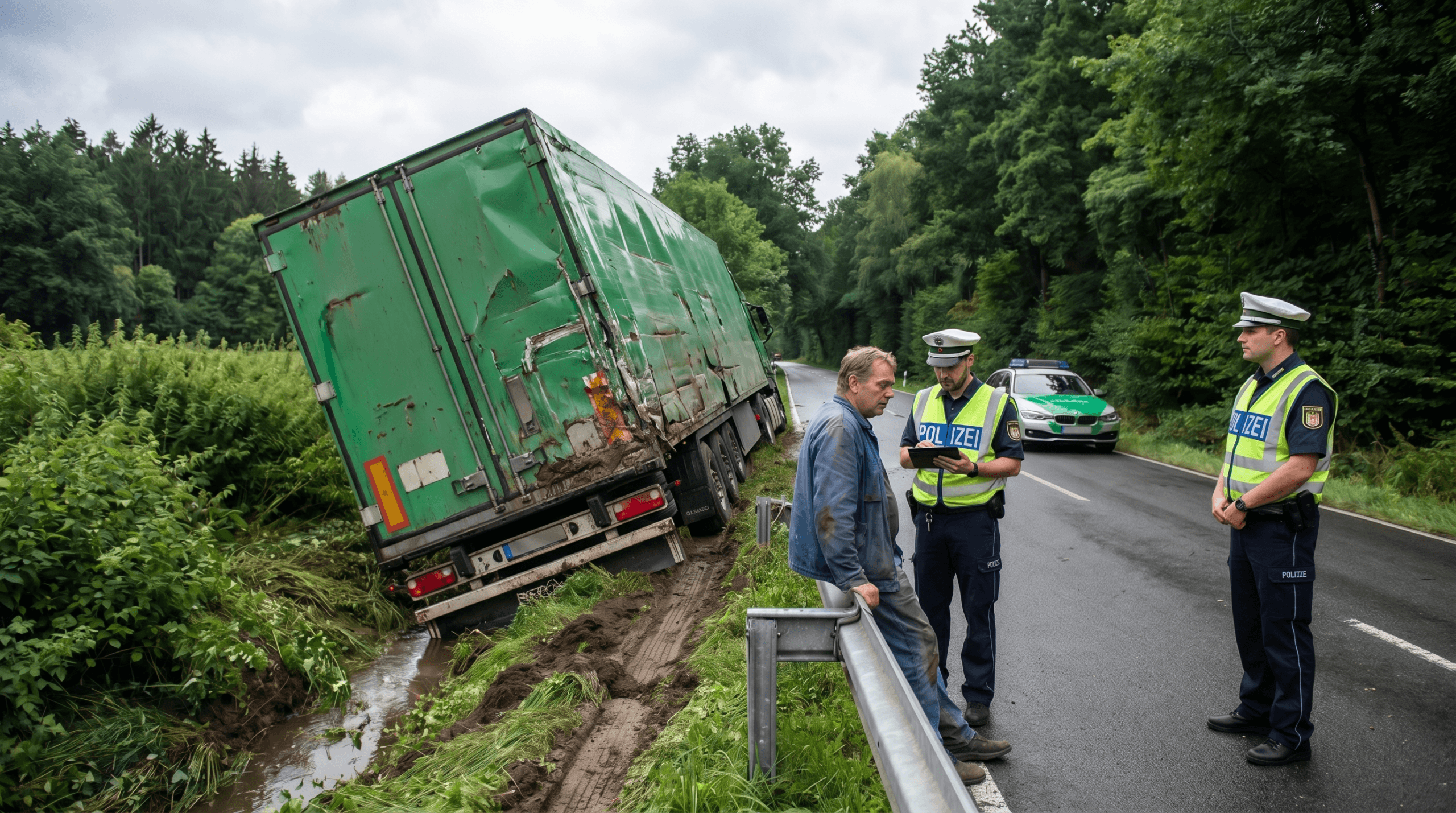
When an accident occurs during transport, securing the scene always remains a priority. The driver must immediately switch on the emergency lights, display a warning triangle and put on a reflective waistcoat. If his state of health permits, he should assess the extent of the danger and check whether the load has been unsealed. The next step is to notify the emergency services on the emergency number 112 and provide the dispatcher with information on the type of substances being transported.
Once assistance has been called, the driver contacts the transport base and the designated safety advisor. The transport company must then initiate internal procedures for notifying the relevant environmental authorities. A rapid exchange of information between the driver and the logistician enables specialised handling equipment to be diverted to the site efficiently. At the same time, care must be taken to ensure that members of the public do not approach potentially harmful material.
Accident during transport of neutral waste
Neutral waste, such as waste paper, metal scrap or plastics, They pose less of a threat to the environment. However, their spillage on the carriageway can paralyse traffic and create a hazard for other road users. In such a scenario, the driver's primary focus is on physically securing the goods against further movement. It is worth noting that even inert waste needs to be cleaned up quickly to prevent it becoming soggy or blown away by the wind.
The haulier is obliged to organise replacement transport to reload the recovered goods. Road services usually require that the carriageway is restored to its original condition as soon as possible. Although the waste does not emit toxins, its backing up in drainage ditches can lead to water blockages. For this reason, the haulage company must work closely with the road manager in clearing the incident.
Specifics of incidents involving problematic waste
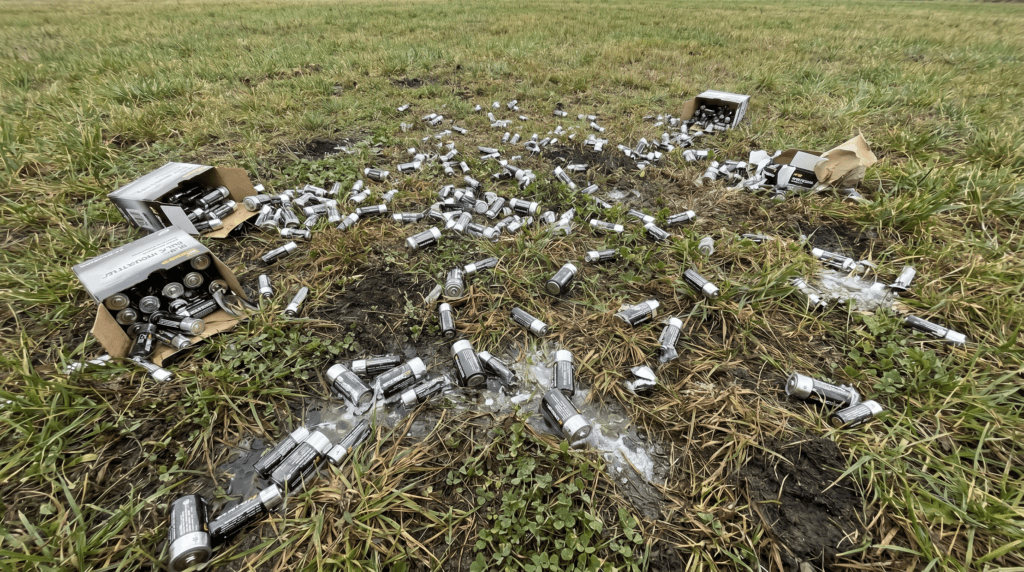
The category of problematic waste includes, among others, waste electrical equipment, batteries and bulky items. An accident during the transport of such items carries the risk of electrolyte leakage or the release of heavy metals into the soil. During impact, equipment casings can be damaged, exposing components containing harmful substances. In such cases, procedures become more restrictive and require the use of specialised sorbents.
The driver must pay particular attention to ensure that no operating fluids mixed with the contents of the load are leaking from the damaged vehicle. If ground contamination occurs, the intervention of companies specialising in land remediation may be necessary. In addition, electronic waste often requires specific storage after an accident to avoid the risk of fire. Therefore, logisticians must rapidly designate a safe handling site that complies with sanitary requirements.
Emergency management of hazardous waste
The biggest challenge for the services and the carrier is generated by the accident when transporting hazardous waste, such as chemicals or asbestos. Here, the safety data sheet and ADR-compliant written instructions for the driver play a key role. In a chemical spill situation, the driver does not attempt to contain the spill himself if his life is at risk. Instead, he designates a safety zone and informs the fire brigade of the UN code of the material being transported.
The National Fire Service takes command of the rescue operation when chemical contamination is detected. Specialised chemical rescue units neutralise the hazard using appropriate reagents. The transporter must make available full transport documentation, which includes information on the composition and quantity of the substance. Properly marking the vehicle with orange boards allows rescuers to immediately identify the hazard even before approaching the wreckage.
Vehicle technical equipment and minimising the consequences of accidents
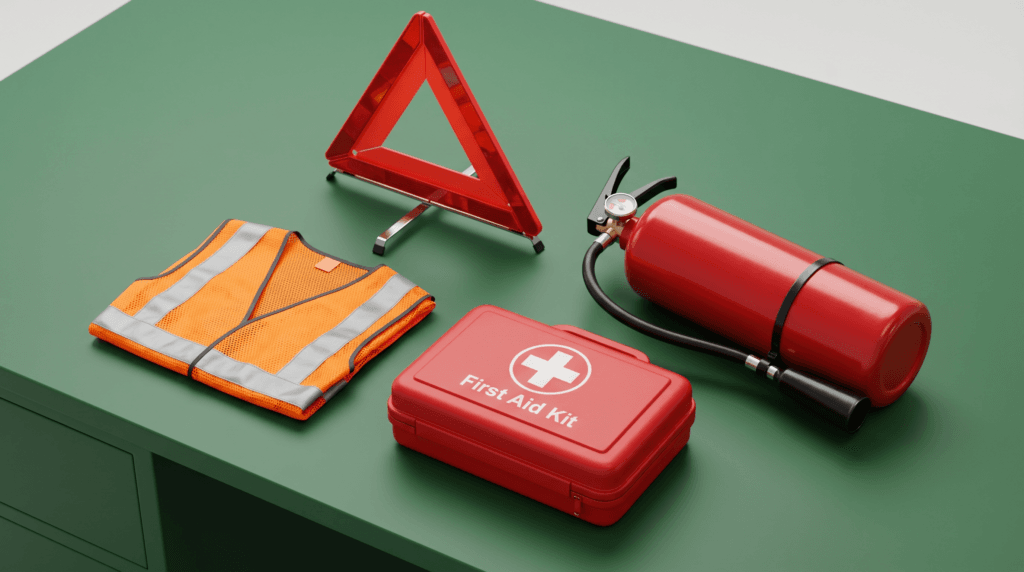
A modern transport fleet should be equipped to respond quickly to emergency situations on the road. Vehicles transporting dangerous goods must be equipped with, among other things, appropriate fire extinguishers, personal protective equipment and spill containment equipment. For ADR transport, depending on the class of substances being transported, manhole covers, shovels and containers for collecting contaminated residues may also be required. In addition, many companies equip vehicles with sorption kits and first aid kits to quickly reduce the spread of contamination and increase the level of transport safety.
In addition, the telematics systems installed in the trucks make it possible to remotely monitor cargo parameters and vehicle location. In the event of a collision, the system can automatically send an SOS signal to the base, giving the exact geographical coordinates. This allows the dispatcher to direct help to the scene more quickly, even if the driver has lost consciousness. Investment in advanced technology directly translates into a higher level of environmental safety.
Reporting obligations and the BDO system after an accident
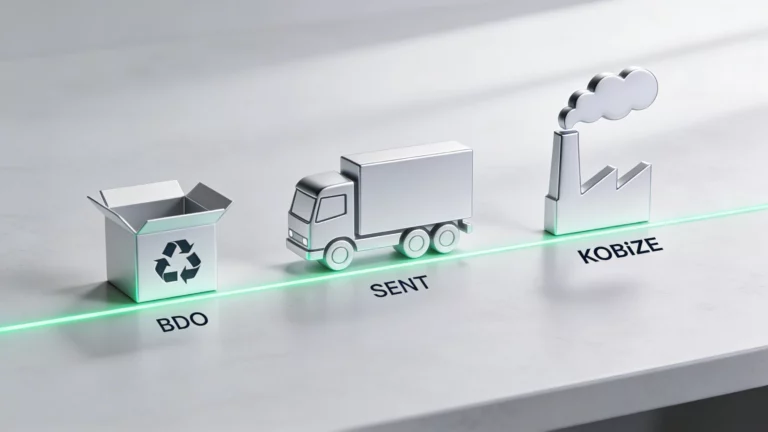
Any incident involving loss or destruction of waste must be recorded in the Product and Packaging and Waste Management Database (BDO) system. If an incident during transport has prevented the cargo from reaching its destination, the carrier must correct the waste transfer note. Any weight loss of goods must be reliably documented to avoid allegations of illegal dumping. This is essential for transparency throughout the logistics chain.
In addition, major industrial and transport accidents are subject to reporting to the Chief Inspectorate of Environmental Protection. The operator prepares a detailed report describing the causes of the incident, the corrective actions taken and the impact on the environment. This documentation serves not only inspection purposes, but also insurance purposes. Insurance companies require precise data in order to pay compensation for damaged equipment and the costs of pollution disposal.
Employee training as part of prevention
Regular training of drivers and office staff is the cornerstone of safe transport. Employees need to practise procedures for behaving in stressful situations to avoid panic in the event of a real emergency. Training programmes should include the principles of first aid, the use of firefighting equipment and cargo securing techniques. Theoretical knowledge backed up by practical exercises significantly increases the professionalism of all staff.
It is the employer's responsibility to ensure that drivers have access to up-to-date job instructions. It is also a good idea to organise meetings with DGSA (Dangerous Goods Safety Advisers), who discuss the most common errors and risks. An informed employee can identify a technical fault in a vehicle early on, which often avoids a disaster on the road. Prevention is always cheaper and more effective than dealing with a serious accident.
Risk management as the foundation of modern waste logistics
The implementation of strict operational procedures and the systematic upgrading of staff skills is the only effective method of reducing the impact of unforeseen road incidents. Professionalising the fleet through advanced telematics and specialised emergency equipment is now a strategic necessity to maintain business continuity in the face of stringent environmental controls. The full integration of preventive action with legal requirements is a guarantee of environmental and financial security for any modern transport company.
Author: Jakub Koszyński | Editorial: Pawel Makowski