
Waste permit in Denmark - more orders, more profits
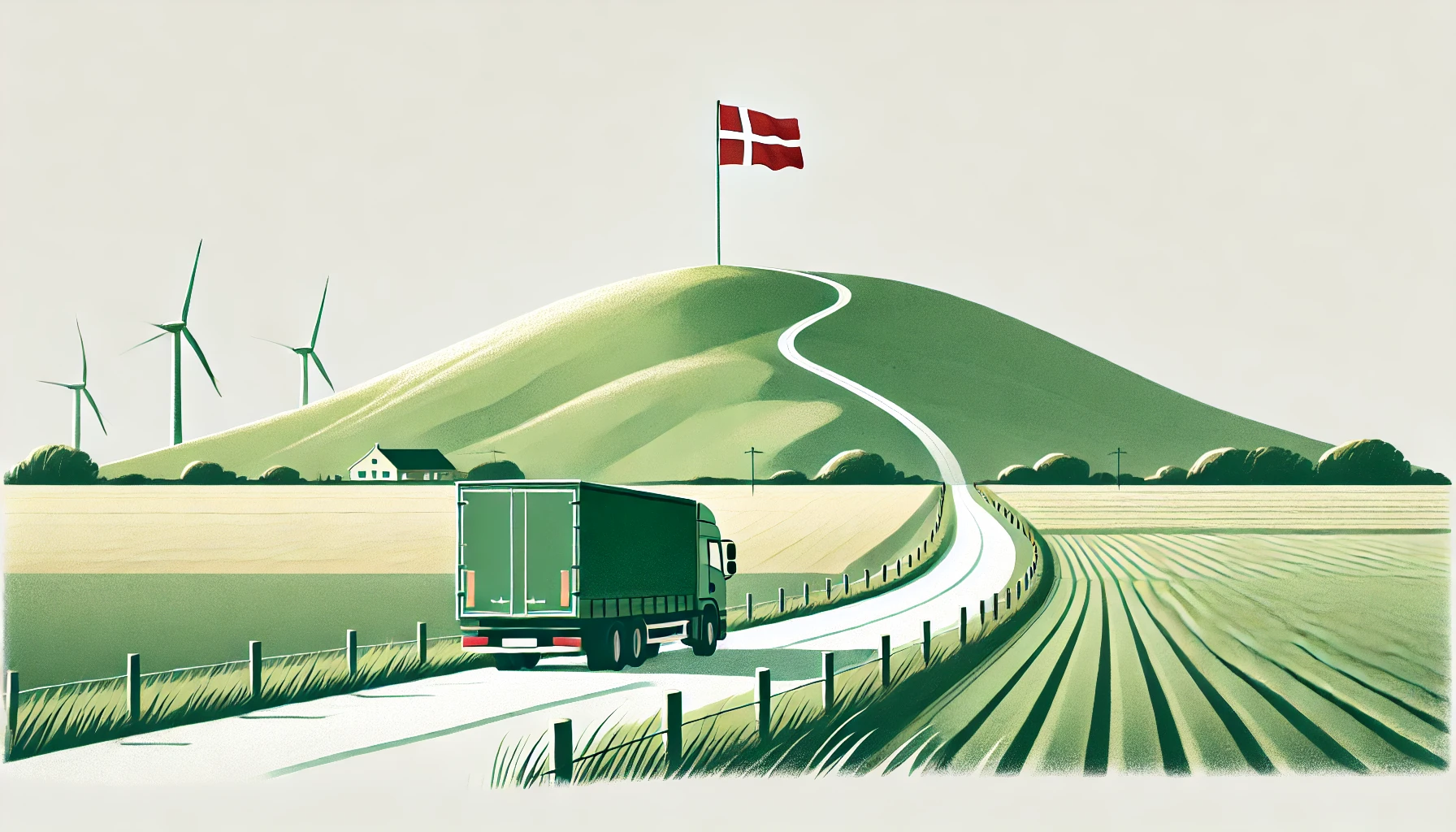
The Scandinavian countries take ecology seriously. The high level of waste management means there is a constant demand for raw materials for recycling facilities. The same is true in Denmark, which is a kind of introduction to Scandinavia. A waste permit in Denmark is the first step to enter the local market and not worry about a lack of orders. We will complete them for you in just 1 day.
Why Denmark?
Firstly, Denmark connects the European Union by land with the south of Sweden and ferries to Finland. Secondly, Denmark's waste-to-energy and recycling industries regularly need cargo from abroad. In practice, about 1.34 million tonnes of waste enters Denmark every year and more than 2 million tonnes are exported. Moreover, more and more waste is needed every year to serve the local incinerators in Denmark. In 2014, they accepted ~341,000 tonnes of imported waste, in 2015 it was ~351,000 tonnes and in 2023 it will already be ~0.5 million tonnes. The trend is therefore clearly upward. This means that transport companies that have a waste permit in Denmark will have the chance for more orders and better rates.
Why obtain a Danish waste transport permit?
Illegal/non-compliant transports:
- 2009-2021: 2 604 Controls; ~16% infringements in total; ~2% most serious (lack of required notification).
- Average/year: approx. 200 controls → ~32 total breaches → ~4 serious.
- 2025 - planned inspections: ~700 physical/year; respect (if the share of violations continues): ~110 violations/year and ~14 serious.
Source: Inspection report of the Danish Environmental Protection Agency.
What waste is delivered to Denmark and for what purpose?
RECYCLING
- Paper and cardboard - mixed waste paper, corrugated cardboard, packaging board
- Plastics - LDPE film (bales), HDPE (canisters, bottles), PET (beverage bottles), PP (crates, big bags), EPS (blocks, post-production waste)
- Glass - contamination-free cullet
- Metals - scrap steel, aluminium, copper (millberry), brass; commercial grades B1010/B1020).
- Wood - clean packaging wood, pallets for material recovery
- Textiles - selectively collected, recyclable
ENERGY RECOVERY
- Refuse-derived fuel (RDF/SRF) - combustible fractions from mechanical-biological treatment
- Residual municipal waste i commercial directed for incineration (case-by-case, depending on qualification and route).
- Multi-material waste difficult to recycle, but with a stable calorific value.
WASTE REQUIRING NOTIFICATION
- Hazardous waste - solvents, paints/varnishes, used oils, batteries/electrolytes, WEEE containing hazardous substances
- Treated/preserved wood, settlements i slime from industrial processes.
- Waste mixtures without an explicit "green" class
How much can waste transport errors cost you in Denmark?
It is very often the case that a freight forwarder will say: you will not need a waste permit for a particular route. However, later it turns out that he did not check everything thoroughly, did not ask the client about it (or did not want to ask, hoping that "somehow it will be done"). Then the haulier is left alone with the problems. The main offence for which he can be held liable is driving with waste in Denmark without the required entry in the register. This is considered a violation of the provisions of the implementing regulationand is generally punishable by a fine.
Unless other provisions provide for a more severe penalty, a fine shall be imposed on anyone who:
Bekendtgørelse om Affaldsregistret, Kapitel 9, § 22
1. conducts business activities within the meaning of §§ 5-9 without being duly registered in the Danish Waste Register
What amount specifically is being referred to?
It is in vain to find ready-made price lists in the legislation with an indication of how much the carrier will be charged for a particular error. Exact amounts are determined at the request of the public prosecutor's office in the course of court proceedings. The starting point for the calculations are two documents containing 'vejledende bødeniveauer', or indicative levels of fines:
When can a more serious penalty (other than a fine) be expected? If, in the course of the proceedings, the authorities find that the offence in question was committed intentionally or with gross negligence, as a result of which damage or an actual threat to the environment has been caused. Strict action will also be taken if the offender has gained an advantage, e.g. a financial benefit, as a result of the infringement. The court may then impose a prison sentence of up to two years (in serious cases). In addition, it may order the confiscation of the benefit - and this is in addition to the imposition of a fine - so that it „does not pay” to break the law.
How do we help?
The assistance of an adviser in getting your documents in order is a cost that is incomparably less than the potential fines for breaking the rules. So it's worth investing in peace of mind. How can we help you and what do you gain by engaging with us?
What we do for you
And in practice?
We will assist you in obtaining a waste permit in Denmark
All it takes is one phone call or e-mail. Yes, it's that simple:
e.nadolna@ekologistyka24.pl , +48 881 045 376
j.blazewicz@ekologistyka24.pl , +48 500 867 153