
Postponement of e-Annex VII and the obligation to register with DIWASS

The postponement of the implementation of the electronic Annex VII does not exempt businesses from other, parallel regulatory obligations relating to the international shipment of waste. Enforcement authorities in the European Union are drastically tightening their scrutiny of operators with regard to environmental protection, with particular emphasis on mandatory registration in the DIWASS system. Failure to comply with these formalities currently results in the immediate detention of vehicles, heavy financial penalties and the loss of contracts in key foreign markets.
Do you need help registering your business on the DIWASS platform?
Contact us and entrust the care of your business to professionals:
e.nadolna@ekologistyka24.pl , +48 881 045 376
j.blazewicz@ekologistyka24.pl , +48 500 867 153
There’s no need to rush, is there?
Many hauliers mistakenly assume that postponing the deadlines for the introduction of digital documents gives them time to catch their breath. Nothing could be further from the truth. The postponement of the electronic Annex VII in any way does not slow down transport companies from other, parallel procedures. The DIWASS system remains a key element in the supervision of international waste shipments.

Businesses must understand that digital formalities and registration in databases are two entirely different matters. EU environmental regulations are becoming increasingly stringent. Therefore, the obligation to register with DIWASS applies to any entity planning to transport goods legally to demanding foreign markets.
Europe is tightening controls on waste shipments
Germany has long been meticulous in enforcing environmental regulations on foreign entities. However, it is no longer the only country to impose severe penalties for failing to make the necessary registrations. More and more European countries are beginning to carry out rigorous checks on the obligation to register with DIWASS. Regulatory authorities across the European Union are checking documentation much more frequently than in previous years.
As a result, the absence of the correct profile in the system causes immediate problems on the road. Transport inspectors do not accept excuses based on a lack of knowledge or delays in the implementation of EU directives. Consequently, ignoring these procedures leads to serious legal and financial consequences for the Polish transport, logistics and services sector.
The risk of losing orders and business paralysis
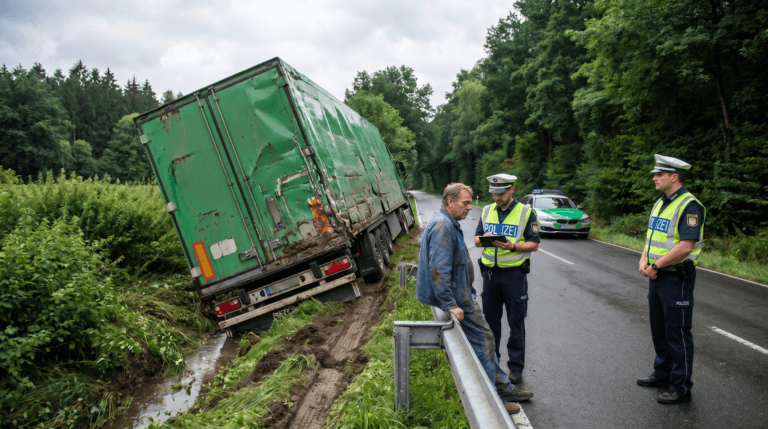
For many transport companies, failure to comply with this obligation means being effectively cut off from key markets. Foreign business partners will not enter into cooperation with an entity that does not meet the formal criteria. Furthermore, a lack of registration results in the vehicle being immediately detained during a roadside check. This, in turn, causes huge delays and undermines the trust built up over many years.

Carriers must treat the current situation as a final warning against losing their financial liquidity. Delaying registration is a sure-fire way to lose regular, profitable contracts. Ultimately, only immediate action and the swift completion of formalities within the DIWASS system will enable them to maintain a stable position in the competitive European market.