
„Made in Europe” recycled material? Digital labels are gaining importance
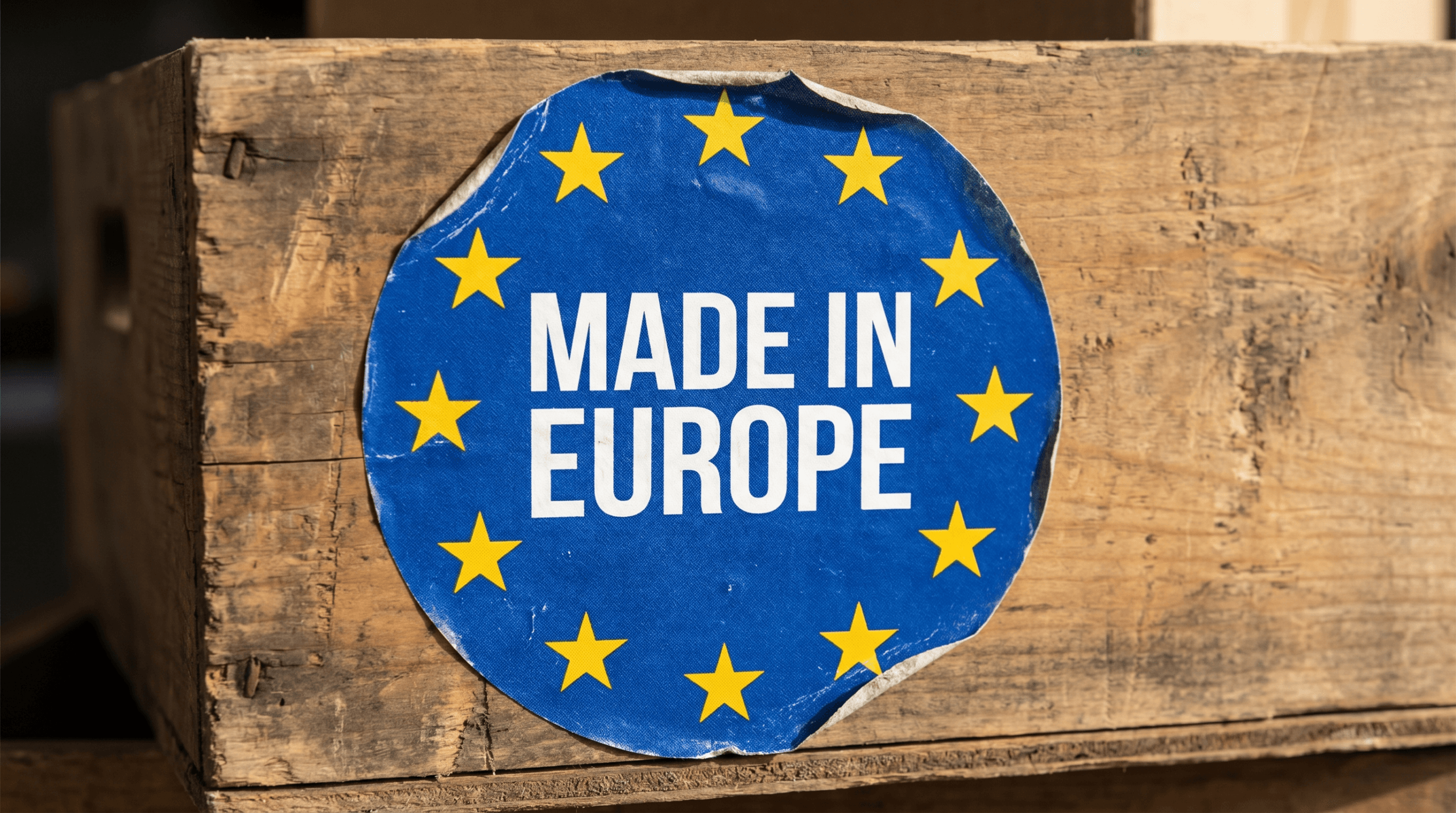
The European circular economy sector is facing a new challenge. It is not only important whether waste has been recycled; the location and method of this process also matter. Regulations on waste exports are becoming increasingly stringent. Requirements regarding the use of secondary raw materials are also increasing. As a result, the concept of „Made in Europe” recycled materials is gaining in importance.
Challenges associated with the global waste cycle
Representatives of the recycling industry point out that a significant proportion of the waste leaving the European Union is sent for processing outside its borders. The material then returns to the market as a fully-fledged recycled product. Although this model has been in place for years, doubts are increasingly being raised regarding the transparency of the processes, the quality of the raw materials and the ability to effectively verify the declared material specifications.

At the same time, European recyclers are warning that competition from cheaper imported recycled materials could undermine the profitability of investments in local waste treatment facilities. As a result, the debate surrounding the „Made in Europe” economy is beginning to extend beyond environmental issues to encompass raw material security and industrial competitiveness.
Digital traceability as the key to transparency
In this context, tools that enable full traceability of the flow of waste and recyclable materials take on particular significance. Digital monitoring systems, such as DIWASS, enable the creation of a detailed waste flow trace. This documents the material’s journey from the point of generation to the recovery or recycling process.

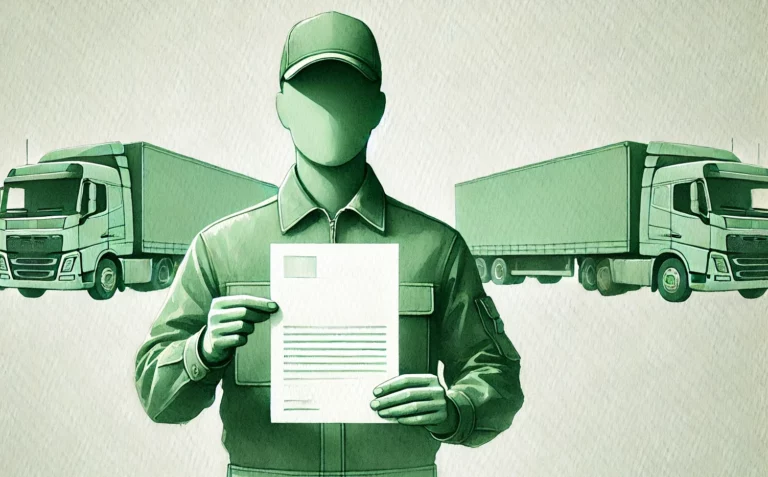
The introduction of the DIWASS system represents a revolution for transport and logistics companies on a par with the implementation of the Mobility Package. Any attempt to transport goods without a unique digital code generated by the platform will automatically be classified by road inspectors as the illegal movement of waste. In practice, this means the risk of severe administrative fines amounting to hundreds of thousands of zlotys and, in extreme cases, the confiscation of the load and the vehicle, as well as the company’s management being held criminally liable.
The future of the secondary raw materials market
These solutions may, in future, support the verification of the origin of secondary raw materials. They may also help to achieve Europe’s circular economy targets. In practice, digital traceability is no longer merely an administrative tool. It is increasingly becoming a strategic element of the modern market for secondary raw materials.