
Paper documents – will they be replaced by DIWASS?
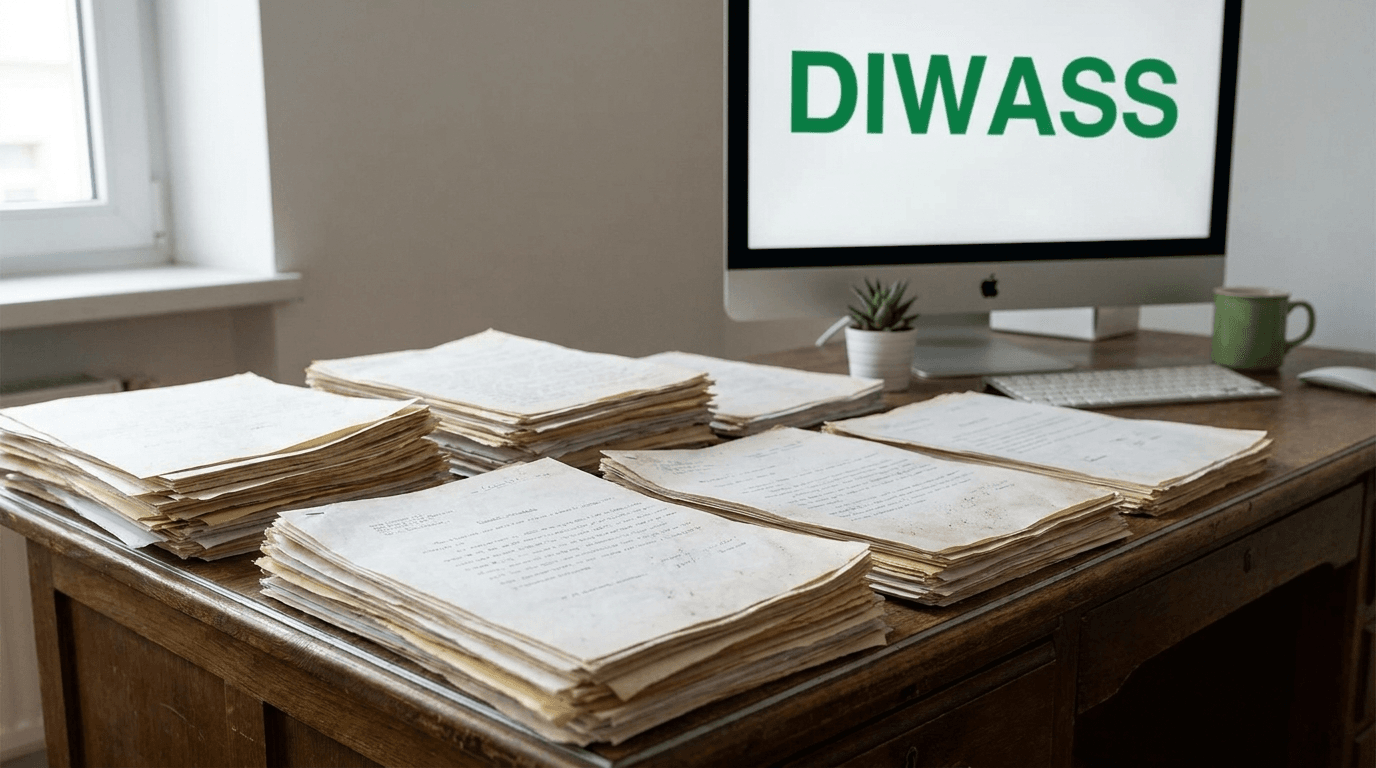
For years, paper documents have formed the basis for cross-border waste shipments within the EU. However, this has now changed. From 21 May 2026, Regulation (EU) 2024/1157 will come into force. It introduces mandatory digitisation of documents via the DIWASS (Digital Waste Shipment System). So what does this mean in practice?
Do you need help registering your business on the DIWASS platform?
Contact us and entrust the care of your business to professionals:
e.nadolna@ekologistyka24.pl , +48 881 045 376
j.blazewicz@ekologistyka24.pl , +48 500 867 153
What is DIWASS?
First and foremost, DIWASS is the European Commission’s central IT system. It facilitates the electronic circulation of information and documents in cross-border waste shipment (TPO) procedures. In other words, it replaces the paper-based circulation of documents with online data exchange.
Furthermore, use of the system is mandatory. This applies to all parties involved in the international shipment of waste: producers, carriers and organisers of shipments.
Document digitisation – what is transferred to the system?
As part of the digitisation of documents by DIWASS, the following are transmitted, amongst other things:

For businesses, this spells the end of paper forms. Consequently, without an account in the system, the legal cross-border transport of waste is no longer possible.
Paper documents before and after DIWASS
| AREA | BEFORE STARTING UP DIWASS (paper) | AFTER STARTING DIWASS (digitally) |
|---|---|---|
| Format of documents | Paper forms and printouts | Electronic notifications in the EU system |
| Information flow | Post, fax, handwritten signatures | Online data exchange |
| Notifications | Applications submitted separately in each country | A single procedure at DIWASS |
| Control | Verification of documents during transport | Real-time access to data by the authorities |
| Risk of errors | Lost or incomplete documents | Data validation and a complete history of the procedure |
| Legal basis | Regulation (EC) No 1013/2006 | Regulation (EU) 2024/1157 |
The benefits of digitisation
Disadvantages and challenges
Will paper documents disappear completely?
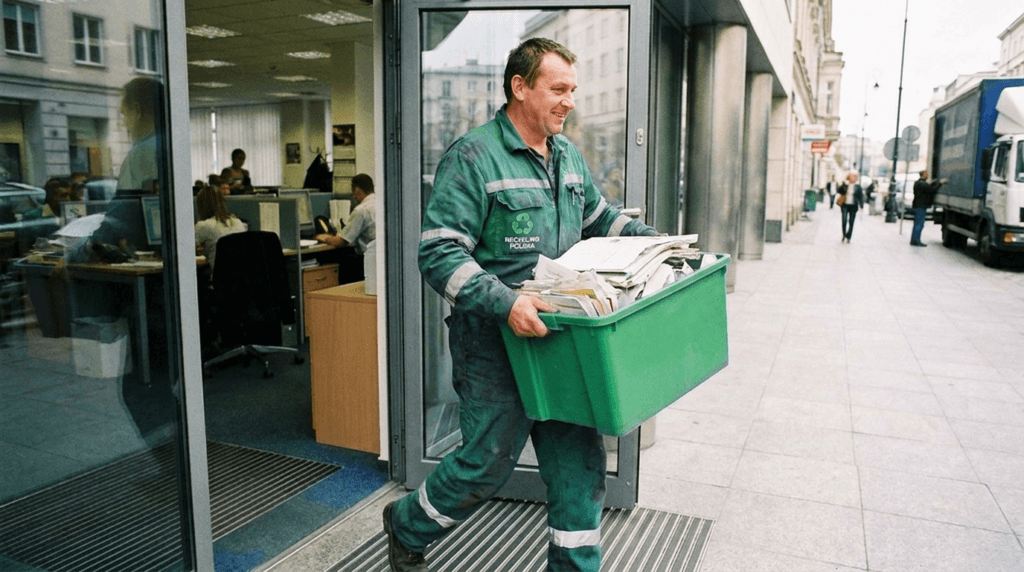
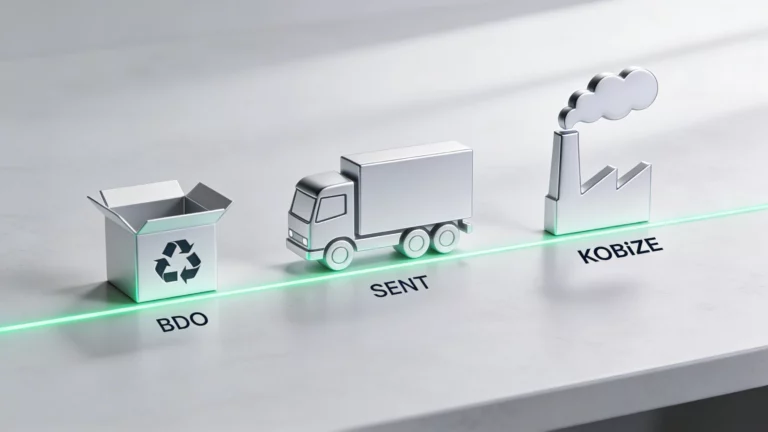
In cross-border waste shipments – yes. Paper is giving way to a digital system. It is worth bearing in mind, however, that DIWASS does not replace national waste registers (e.g. the Polish BDO). Registration in the system also does not replace the obligation to hold the relevant waste transport permits in individual countries. It merely supplements these at European level.
Furthermore, domestic waste transport continues to be governed by local regulations. Consequently, paper documents will not disappear overnight from the waste management sector as a whole. However, in international transport, their era has just come to an end.
Author: Jakub Koszyński | Editorial: Pawel Makowski