
Waste transport in Europe is on the rise. Will DIWASS prove to be the missing piece of the jigsaw?
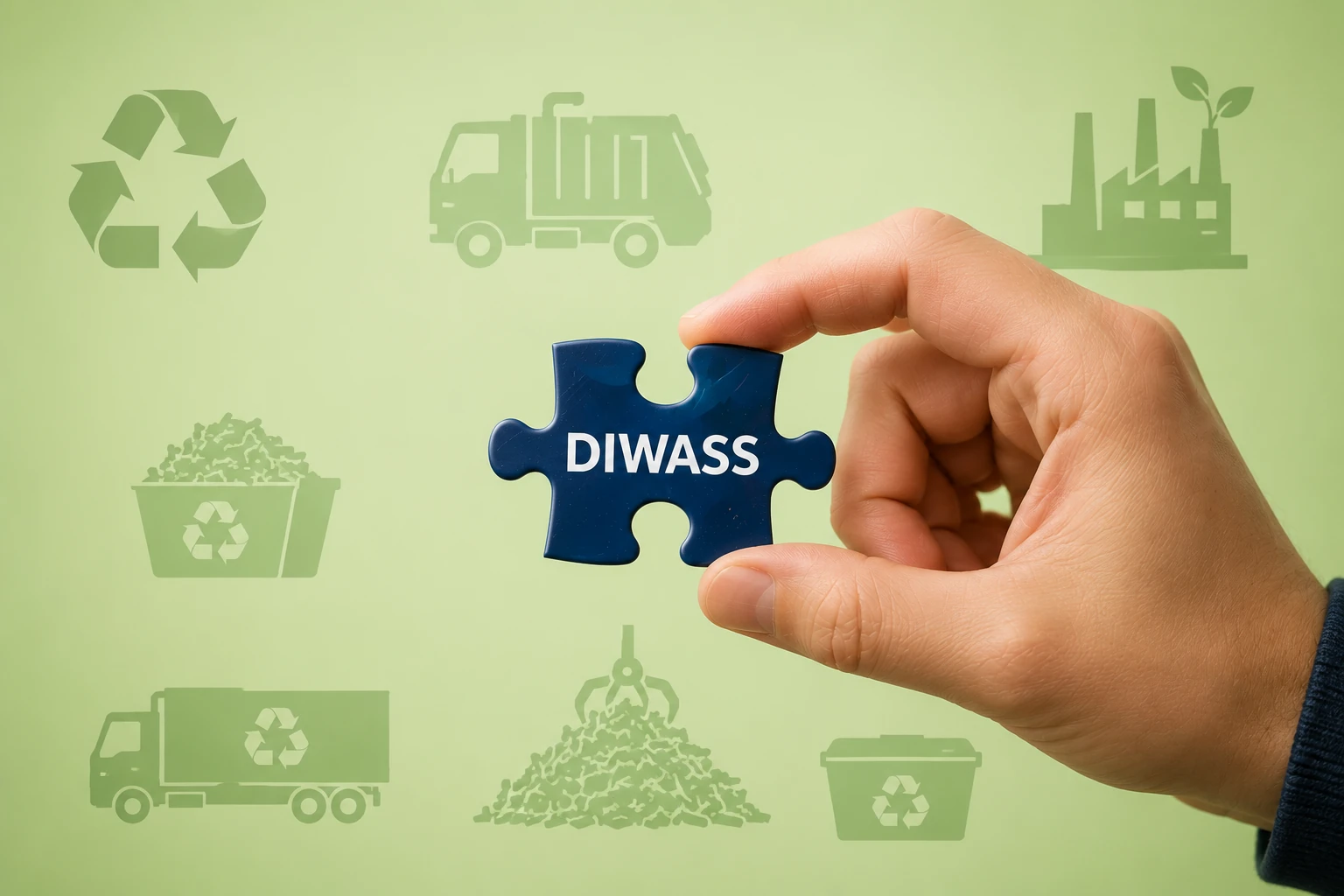
For several years now, Europe has been consistently increasing recycling requirements and the recovery of raw materials. In practice, this means one thing – the transport of waste across Europe will become increasingly important. More and more materials will be sent to recovery facilities outside the country, and the number of parties involved in the entire process will continue to grow. At the same time, a larger market means greater responsibility. After all, information must be exchanged efficiently between businesses and administrative bodies, and the movement of waste must be effectively monitored. This raises the question: is this precisely why the European Union is implementing the DIWASS system? In this article, we will take a broader view. We will consider the directions of development Europe is currently setting and whether DIWASS could become one of the elements that will facilitate the functioning of the market in the coming years.
Do you need help registering your business on the DIWASS platform?
Contact us and entrust the care of your business to professionals:
e.nadolna@ekologistyka24.pl , +48 881 045 376
j.blazewicz@ekologistyka24.pl , +48 500 867 153
Why will waste transport in Europe become increasingly important?
Just a dozen or so years ago, waste was often seen as a problem that simply had to be got rid of. Today, it is increasingly seen as a valuable source of raw materials. This is precisely why Europe is consistently developing a circular economy and encouraging the reuse of materials.
However, recycling does not always take place where the waste is generated. Many specialised facilities are located in other Member States. As a result, cross-border waste shipments are becoming increasingly important, as they enable waste to be sent to facilities with the appropriate recovery technology.
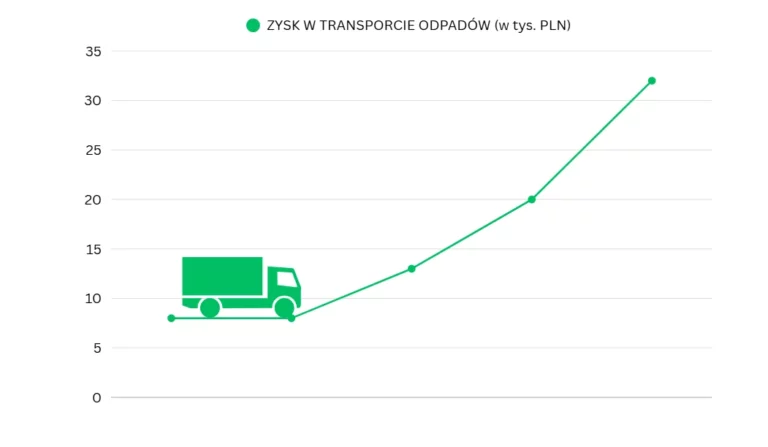
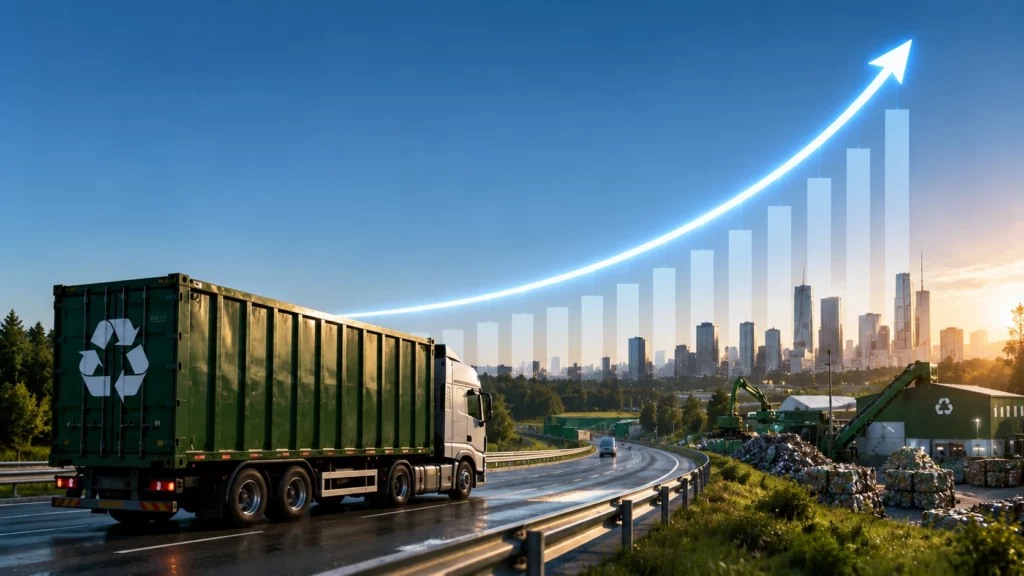
In addition market analyses indicate, …that the value of the waste transport sector is set to grow in the coming years. This is driven by both ever-higher recycling rates and the development of new processing technologies, as well as the growing demand for secondary raw materials.
This means that waste transport in Europe will no longer be merely a service supporting waste management. It will become one of the pillars enabling the circular economy to function. The more waste that is diverted for reuse, the more important it will be to organise its movement between countries efficiently.
The bigger the market, the greater the challenges
The growth in waste transport across Europe is good news for the circular economy. This is because it means that more and more materials are being recycled or recovered rather than sent to landfill. At the same time, the growth of the market means that the whole process is becoming increasingly complex.
Just a few years ago, many waste shipments followed a relatively straightforward model. Today, a single waste shipment may involve businesses from several countries, various administrative bodies and specialised recovery or disposal facilities. Each is responsible for a different stage of the process, whilst at the same time requiring access to reliable information.
As the number of shipments increases, so too does the volume of data that needs to be verified. This includes, amongst other things, the parties involved in the shipment, the type of waste, the loading and unloading points, the planned route and any required administrative decisions. Furthermore, all this information must be consistent and available to the relevant authorities when required.
Nor should we forget that waste transport in Europe is international in nature. A single consignment may pass through several Member States, and each is responsible for supervision within its own territory. Effective cooperation between administrations is therefore just as important as cooperation between the operators themselves.
This shows that market growth is not solely about an increase in the number of journeys. In practice, it also means the need to manage an ever-increasing volume of information efficiently. And it is precisely the quality of this information that determines transport safety, the ability to carry out checks, and the trust between all those involved in the process.
Did Europe need a common system?
Let’s imagine a simple scenario. A company from Spain sends waste to a recovery facility in Poland. The transport passes through France and Germany, and several businesses and the relevant administrative authorities from various countries are involved in the whole process.
Each participant needs access to the same information. This includes, amongst other things, data on waste, transport operators, loading and unloading points, and the required permits. At the same time, this information must be up to date and consistent at every stage of the shipment.
As this transport market grows, there will be more and more such journeys. This raises the question: should each country collect and share data according to its own rules, or would it be better to create a common system for the whole of the European Union?
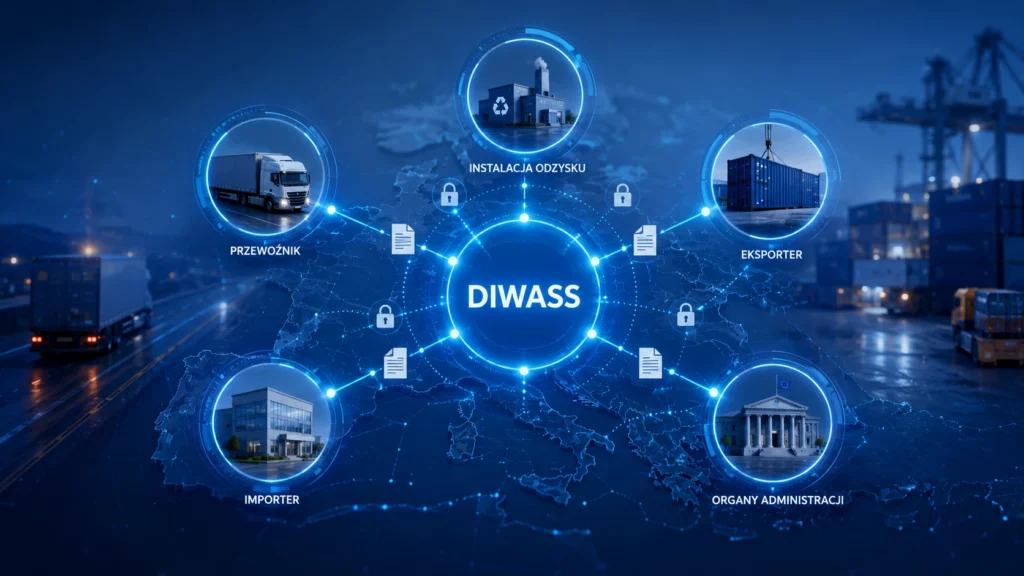
It is right here DIWASS appears. Its purpose is not to increase the number of shipments or to accelerate the development of recycling. The system is primarily intended to streamline the exchange of information between the parties involved in the process and the competent authorities of the Member States.
It is worth noting that DIWASS does not operate in isolation from other changes. It was introduced in parallel with the new regulation on the shipment of waste and constitutes one of the elements of the European Union’s broader strategy. Its aim is not only to increase recycling rates, but also to ensure greater transparency and more effective oversight of cross-border waste shipments.
Seen from this perspective, it is easy to see that DIWASS is not an end in itself. It is a tool designed to help organise the flow of information in a market that is becoming increasingly complex year on year.
Will DIWASS help to develop waste transport in Europe?
It is not possible to give a definitive answer to this question at present. The system has been in operation for too short a time to assess its actual impact on the market. However, there are several areas in which DIWASS has the potential to play an important role.
Above all, the common system facilitates the exchange of information between those involved in cross-border waste shipments and the competent authorities of the Member States. As a result, transport data is centralised in one place, and its verification can be carried out more efficiently than with decentralised systems.
At the same time, greater transparency can boost confidence in the lawful transport of waste in Europe. This is important for both businesses and public authorities. The easier it is to verify that transport is taking place in accordance with the regulations, the more efficiently the market as a whole can operate.
However, this does not mean that DIWASS alone will solve all the problems. The market’s development will continue to depend on a number of factors. These include, amongst others, investment in recycling, the availability of modern facilities, demand for secondary raw materials, and the stability of regulations across the European Union.
It can therefore be said that DIWASS is not the driving force behind change, but rather a tool designed to support its implementation. If the system is developed in line with market needs, it could become one of the pillars of the efficient management of cross-border waste shipments in Europe.
The missing piece of the jigsaw?
Will DIWASS prove to be the missing link in the European circular economy? At present, no one is able to give a definitive answer. The scheme has been in operation for too short a time to assess its long-term impact on the market.
One thing, however, seems certain. Europe is consistently tightening its requirements for recycling and the recovery of raw materials. As a result, the transport of waste in Europe will play an increasingly important role, and with it, the importance of the efficient exchange of information between businesses and the authorities will grow.
DIWASS will not increase recycling rates, nor will it automatically lead to an increase in the number of shipments. However, it may facilitate the functioning of a market that is becoming increasingly complex year on year. If the system fulfils its purpose, businesses will benefit from more transparent rules on the exchange of information, whilst administrative bodies will have a more effective tool for supervising cross-border waste shipments.
It is therefore worth looking at DIWASS not just through the prism of new obligations. It is equally important to recognise that the system forms part of wider changes taking place in the European waste management sector. And it is precisely these changes that will shape the future of waste transport in Europe in the coming years.