
The data in DIWASS does not match the documentation – what should I do?

From 21 May 2026, the DIWASS (Digital Waste Shipment System) will be the mandatory channel for the electronic exchange of documents relating to the cross-border shipment of hazardous waste within the EU (and, from January 2027, also for waste on the so-called „green list”). In the digital model, there are no longer any ‘paper gaps’ – any discrepancy between the data in the system and the actual documentation leaves a digital trail visible to the supervisory authorities. What should you do if the data in DIWASS does not match your company’s documentation?
Do you need help registering your business on the DIWASS platform?
Contact us and entrust the care of your business to professionals:
e.nadolna@ekologistyka24.pl , +48 881 045 376
j.blazewicz@ekologistyka24.pl , +48 500 867 153
The most common data discrepancies in DIWASS
In practice, non-compliance usually relates to several areas:

Correcting errors – a step-by-step guide
- Identify the source of the discrepancy. Compare the data in DIWASS with the source documents: KRS/CEIDG, licences, BDO records and contracts. Determine whether the error lies with the system or the documentation.
- Please correct the entity’s registration details. Changes to an organisation’s details are made by an authorised account user. In the case of Polish companies, the registration details are verified and approved by GIOŚ – any amendments may therefore require re-verification by the authority.
- Please check the shipping documents before dispatch. Correct any errors in the declaration or notification documents before the journey begins – once the journey is underway, it is already subject to operational supervision.
- Document the correction. Keep a record of corrective actions (who did what and when). This serves as evidence of due diligence in the event of an inspection.
- In the event of technical problems, follow the contingency procedure. A company should have a written procedure in place for dealing with system failures or loss of signal – failing to do so makes it difficult to demonstrate due care.
Consequences of data inconsistencies
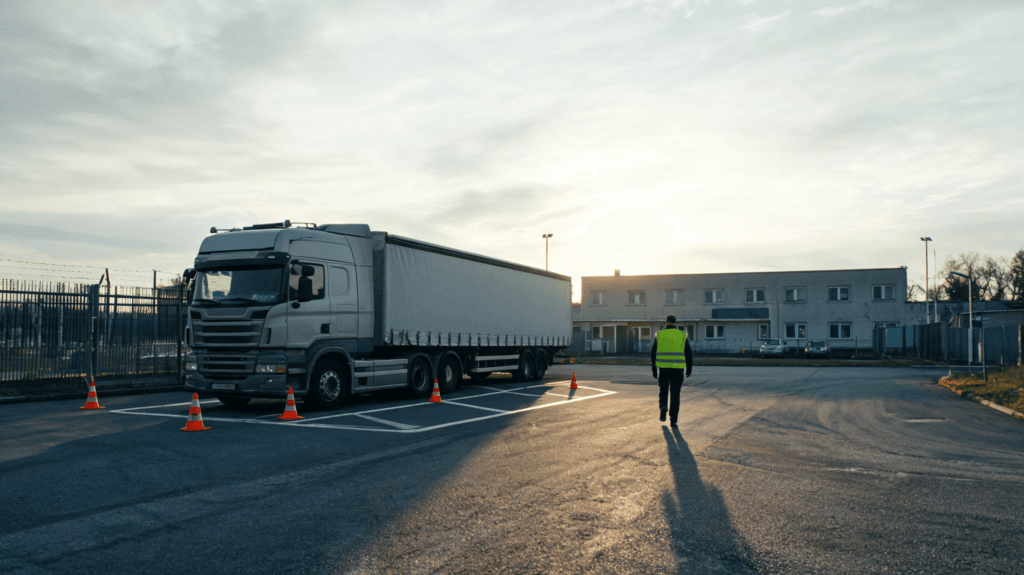
Ignoring discrepancies poses a real risk. Inaccurate or incorrect reports, a route that does not match the declaration, or a loss of communication with the system may be treated as procedural breaches – result in an audit enquiry or an administrative decision. The system is accessible to supervisory authorities (including the Provincial Inspectorate for Environmental Protection, the Road Transport Inspectorate, the Border Guard, the Police and the National Revenue Administration), which significantly increases the detection rate of infringements. Incomplete or incorrect registration data may also simply block the electronic processing of documentation. Without this, the legal cross-border transport of waste is not possible.
It is worth bearing in mind that administrative liability arises from the relevant legislation. However, the allocation of financial liability for incorrect data should be set out in the contract between the parties. If the contract is silent on this point, the risk of sanctions often falls on the carrier in practice.
Data in DIWASS – compliance as the new standard of trust
In the digital environment, data discrepancies are no longer merely minor administrative oversights. They have become a signal that the system sends to the regulatory authorities on behalf of the company and without its knowledge. Therefore, the question is no longer „will anyone notice the error?”, but „what did the company do before the error was noticed?”. An entrepreneur who regularly compares data in DIWASS with BDO, registers and contracts, corrects discrepancies before submission and documents every correction, not only avoids penalties – they build a digital history of reliability, which the regulator can see just as clearly as any breach. In a system where everything leaves a trace, the greatest advantage is a trace that works in your favour.
Author: Jakub Koszyński | Editorial: Pawel Makowski