
Waste management in practice: how to select a plant and avoid joint and several liability
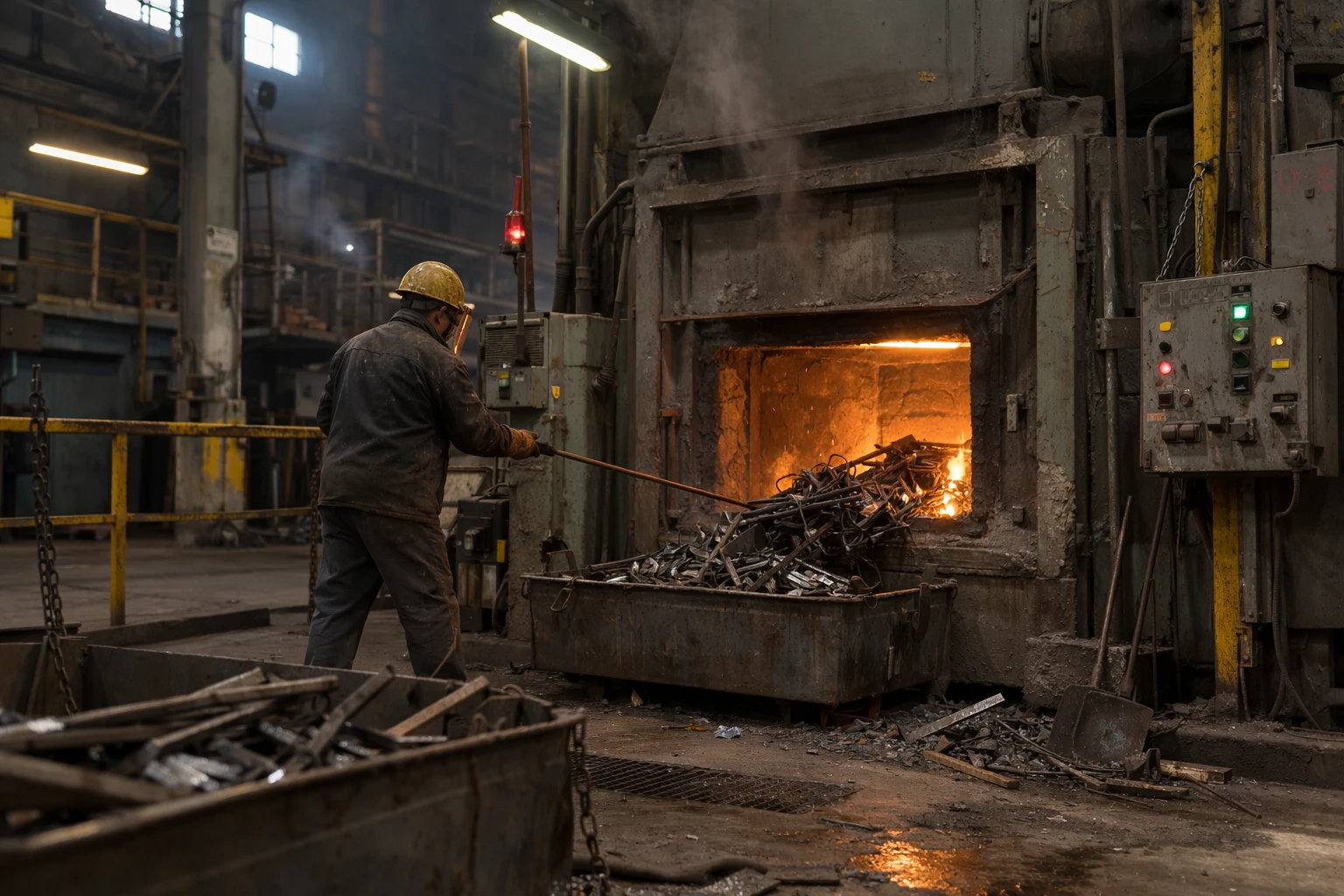
Many businesses believe that waste management ends when the waste is handed over. A signed waste transfer card gives a sense of security. However, in practice, this is only the beginning of the responsibility. If the installation does not act in accordance with the decision or passes the waste on without control, the problem may come back to the generator. Moreover, joint and several liability is not a theoretical concept. Authorities apply it in real-life proceedings. Therefore, the choice of installation should not be based solely on price. In this article, we show you how to organise waste management in a safe way. We also explain when it is advisable to use waste management assistance to reduce risks.
Do you need safe waste management?
Contact us and entrust the process to specialists.
j.blazewicz@ekologistyka24.pl , +48 500 867 153
What is waste management in practice
A properly organised waste management process reduces the risk of penalties, disputes with contractors and problems at inspection. Equally importantly, it allows due diligence to be demonstrated when the authorities analyse what really happened to the waste once it has been transferred.
What stages can be distinguished in the waste management process?
- First - the correct classification of the waste.
This is the foundation of the whole process. The correct waste code and its description affect what obligations the generator has, which entity can collect it and to which facility it can be legally transferred. If a company misclassifies its waste, it usually chooses the wrong management path. As a result, it risks corrections, disputes with contractors and problems during inspections. - Then - selecting an installation that can actually manage the waste in question.
In practice, it is not enough to state that an installation has a decision to treat waste. What matters is the scope of the decision, the permitted codes, the quantity limits and the type of process. If the installation does not cover the waste in question or operates at the limit of its capacity, the entrepreneur loses control over what happens next. And then the risk of liability increases, as the authority also examines the diligence in selecting the recipient and the treatment site. - The next stage is the selection of a reliable waste carrier.
Transport often looks like a technical detail, but in practice it determines the safety of the entire operation. Reliable carrier acts in accordance with regulations, has the right authority, understands the documents and does not generate risks along the way. If a company chooses a haphazard carrier, it can expose itself to missing records, erroneous data, delays and uncontrolled transfers. Moreover, transport problems can ruin the integrity of records and make it difficult to demonstrate due diligence. - What matters in the end is the actual treatment of the waste and the ability to show this in the documentation.
The process should correspond to what emerges from the installation's decision and records. It is equally important to confirm the entire path so that, in the event of an inspection, it can be proven: what was transferred, to whom, how it was transported and how the waste was actually managed. In this way, the company realistically closes the subject rather than leaving the risk in the background.
Why the choice of installation is crucial
The selection of installations is the most important stage of the entire process. This is where entrepreneurs make the most mistakes. Often, they are guided solely by the price or the acceptance deadline.
In the meantime, several elements need to be checked:
If an installation exceeds the permissible limits or breaches the conditions of the decision, the competent authority may wish to investigate the whole chain. In such a situation, waste management is no longer solely a matter for the recipient.
Joint and several liability in waste management
The transfer of waste to an installation does not always mean that the subject is definitively closed. In certain situations, the competent authority may apply a joint and several liability structure, which means that more than one entity is responsible for irregularities. In practice, the authority examines the entire waste management chain, i.e. not only the installation, but also the generator, the transporter and the possible intermediary. If, in the course of the investigation, it finds a lack of due diligence, it may also hold the entity that transferred the waste responsible.
It is the due diligence that is crucial. The authority examines whether the trader:
If a company cannot demonstrate these actions, its litigation situation becomes more difficult. The mere existence of a decision on the part of the installation is not always enough. What matters is the actual course of the process and whether the operator has taken verification measures before handing over the waste.
Joint and several liability in waste management most often arises when an installation does not comply with the decision, exceeds the permissible limits or stores waste in a manner contrary to regulations. In such a situation, the authority checks whether the generator could have foreseen the risk and verified it. Therefore, the safe management of waste should include not only the organisation of take-back, but also the conscious control of partners and documents, as it is these elements that reduce the risk of liability.
The most common waste management mistakes
In practice, waste management rarely fails because of one spectacular breach. Usually, the problem arises from several seemingly minor omissions that together create legal and operational risks. Below are the most common mistakes that can lead to disputes, penalties or joint and several liability.
Each of the above mistakes separately seems harmless. However, taken together, they create a situation where waste management ceases to be a safe process. Therefore, conscious management of this area is not a formality, but part of protecting the company.
How to organise waste management safely
How a company manages the whole process and whether it can demonstrate due diligence is crucial. In practice, this means consciously controlling the waste handling chain and documenting the decisions made so that, in the event of an audit, it can prove that the actions were well thought out and compliant.
The entrepreneur should clearly define who in the company is responsible for waste issues, who approves the choice of installation and who oversees the documentation. The lack of a clear division of responsibility encourages mistakes and decisions made under time pressure. It is equally important to keep confirmation of verification of partners, as this is what builds the argumentation in case of possible proceedings.
In addition, it is worth regularly reviewing the solutions adopted, as the installation market and the scope of administrative decisions change. If a company does not have the resources or competence for such a review, it should consider external support. In this way, waste management becomes part of conscious risk management and not just an operational formality.
Waste management assistance - when it is worth entrusting the process to specialists
In many cases, the entrepreneur does not just need to collect the waste, but to realistically secure the entire process. Waste management assistance consists of an analysis of the type and scale of the activity, selection of the right installation, verification of its entitlements and supervision of the documentation. Ecologistyka24 organises waste management comprehensively, which means taking over organisational responsibility and reducing risks on the client's side. As a result, the company does not operate under time pressure or based on unverified declarations from contractors.
Outsourcing waste management to specialists is particularly important when dealing with problematic waste, larger volumes, changing installations or with operations involving several locations. In such situations, a single mistake can generate serious financial consequences. Professional support allows you to sort out the process, demonstrate due diligence and protect your company from joint and several liability before a real problem arises.