
Who is considered a manufacturer under the PPWR? Check whether your company will have to comply with the new obligations
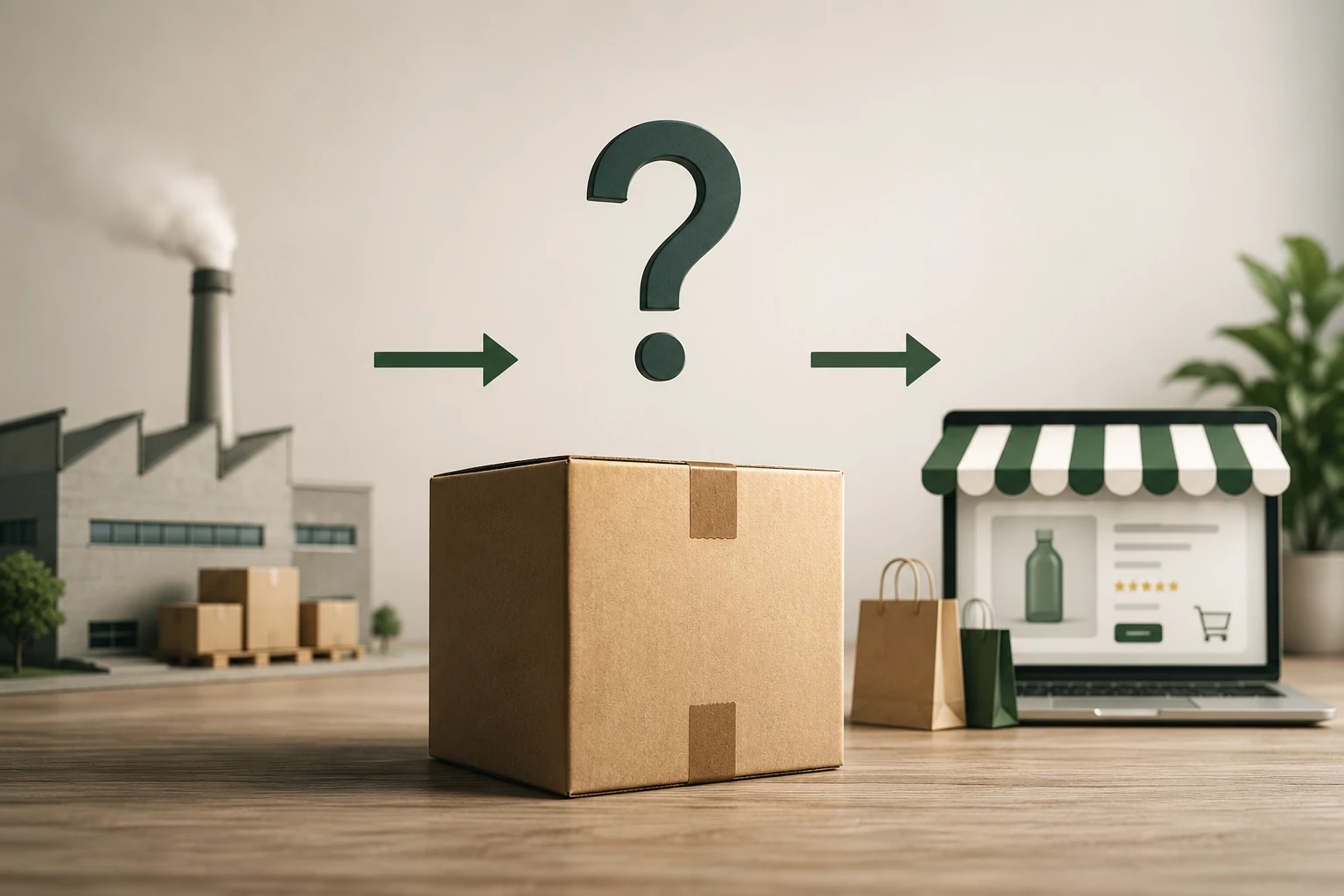
Most business owners believe that only a company that physically manufactures packaging is considered a producer. In the case of PPWR, however, this assumption may lead to incorrect conclusions. The new regulations use the term ‘producer’ in a much broader sense. In practice, the obligations may also extend to importers, brand owners, online shops and companies that package products in their own packaging. If you misjudge your company’s role, you may not even realise that you are required to prepare technical documentation and a PPWR declaration of conformity. Check who is considered a producer under the PPWR and whether the new obligations will also apply to your business.
Are you preparing your company for PPWR?
The regulations on packaging will be further developed through subsequent implementing acts, guidelines and interpretations. We monitor changes on an ongoing basis and analyse their impact on businesses. If you would like to know what obligations will apply to your business and how to prepare for them in good time, please contact our team.:
e.nadolna@ekologistyka24.pl , +48 881 045 376
j.blazewicz@ekologistyka24.pl , +48 500 867 153
Who is considered the manufacturer under the PPWR?
At first glance, the answer seems straightforward. After all, the manufacturer should be the entity that produced the packaging.
However, PPWR takes a different approach.
In many cases, the manufacturer will not be the company that physically produced the cardboard box, bottle or plastic film. What is far more important is who places the packaging on the market and who is responsible for ensuring it complies with the requirements of the regulation.
Therefore, two companies selling a similar product may have completely different obligations under the PPWR.
It is precisely the correct determination of a manufacturer’s status that is the first step in establishing whether a company will need to draw up a PPWR declaration of conformity and compile the relevant documentation.
Does your company qualify as a manufacturer?
There is no single, straightforward business model that automatically confers the status of a manufacturer. In practice, a great deal depends on the role your company plays when bringing products to market.
The new obligations may apply, amongst others, to businesses which:
However, these are merely examples. The final assessment always depends on the specific business model and the entrepreneur’s role in the supply chain.
It is therefore not worth assuming that the PPWR does not apply to your company simply because you do not manufacture packaging at your own premises.
Are you a manufacturer under the PPWR? Check your situation
It is not always easy to determine whether a company is a manufacturer within the meaning of the PPWR. Below are some of the most common business models.

Example 1. An online shop packs orders into its own boxes
You sell products online. You pack each order into a cardboard box, add protective film and tape, and then send it to the customer.
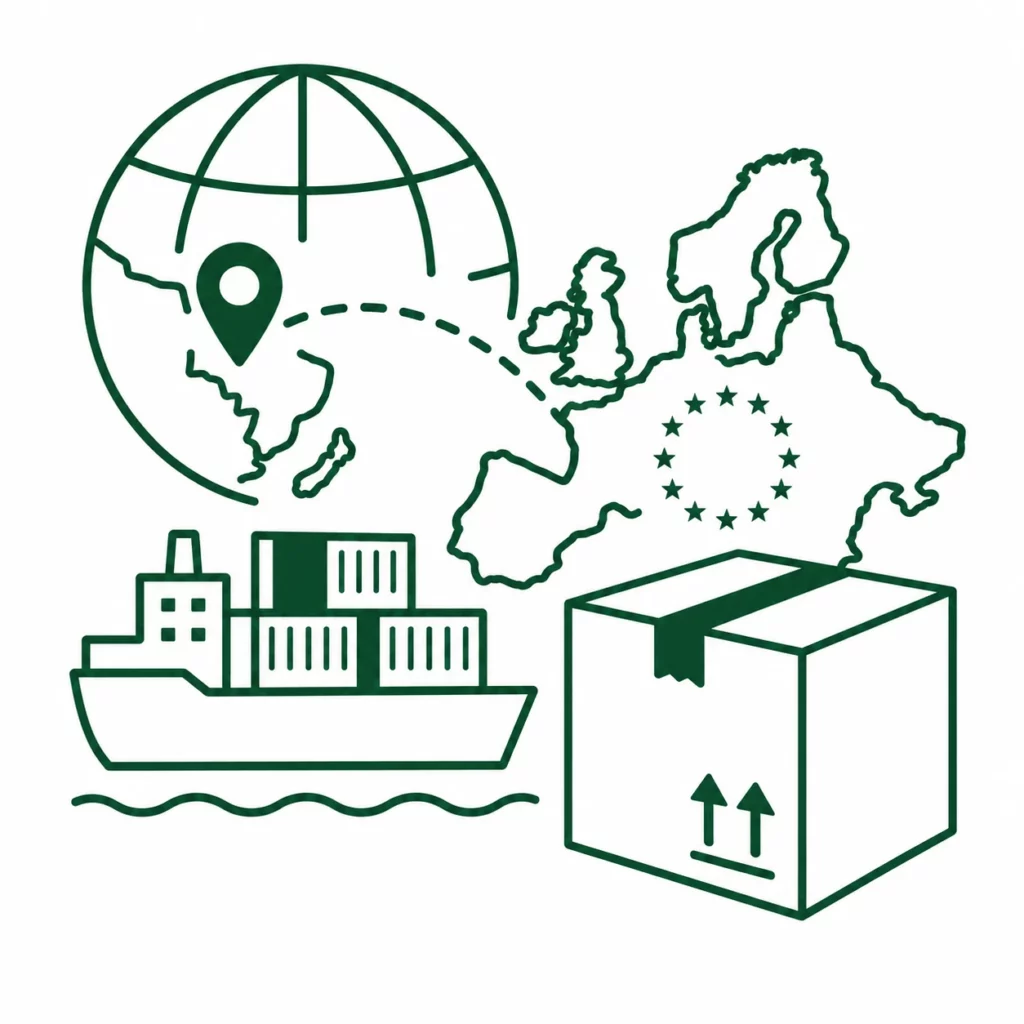
Example 2. You import finished products from outside the European Union
You purchase products from a manufacturer in China or another country outside the EU. The goods are delivered to you already packaged and are then sold on the EU market.
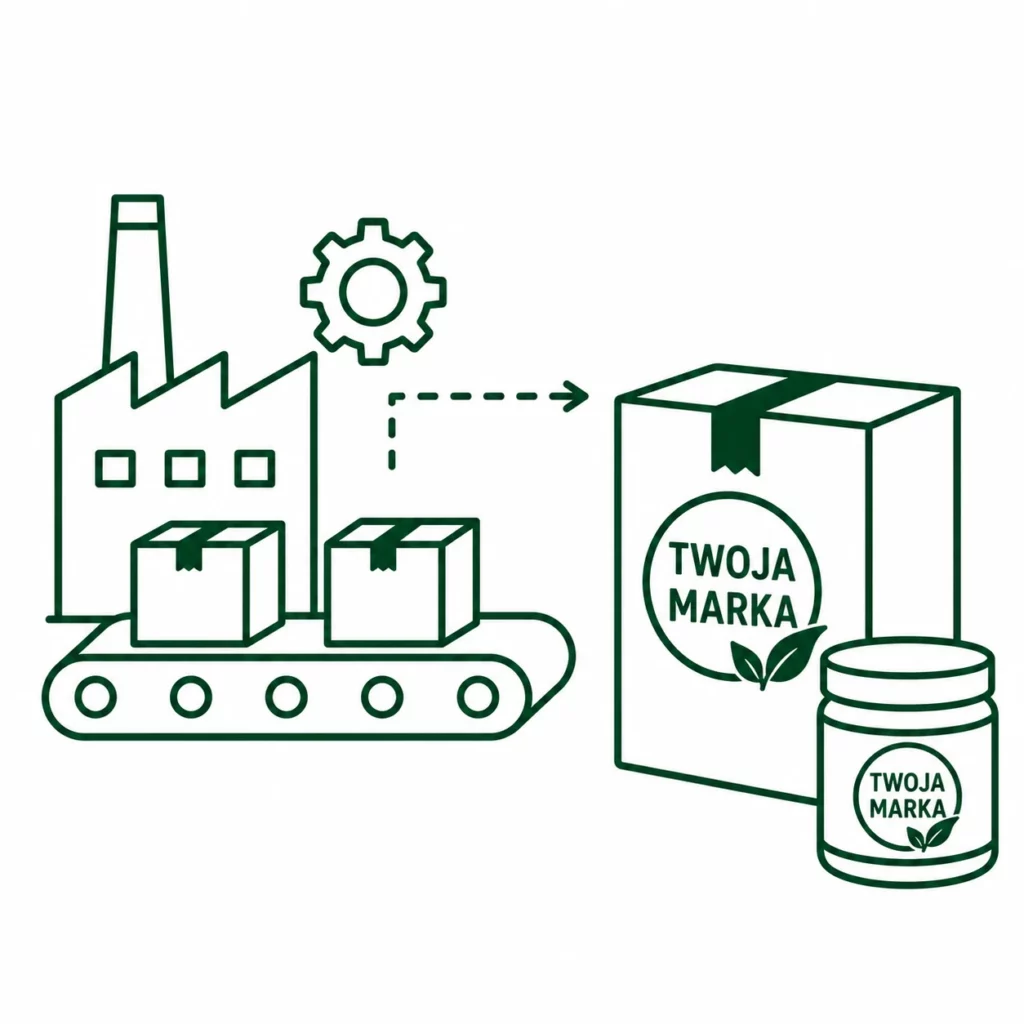
Example 3. You commission production under your own brand
You do not own a factory. The manufacturer produces the product and its packaging to your specifications, and then applies your company’s name or trademark to it.
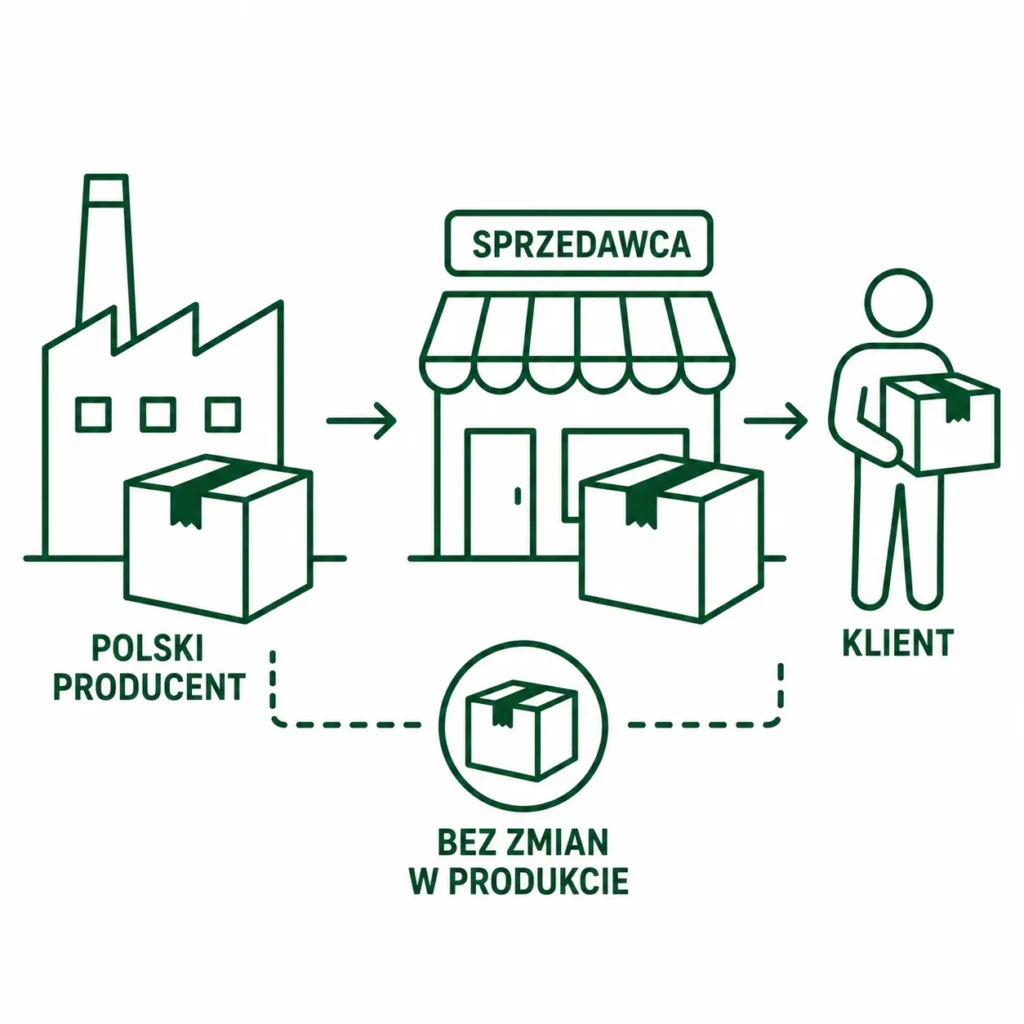
Example 4. You buy products from a Polish manufacturer and resell them without making any changes
The goods are delivered to you already packaged. You must not repackage them, alter the packaging or sell them under your own brand name.
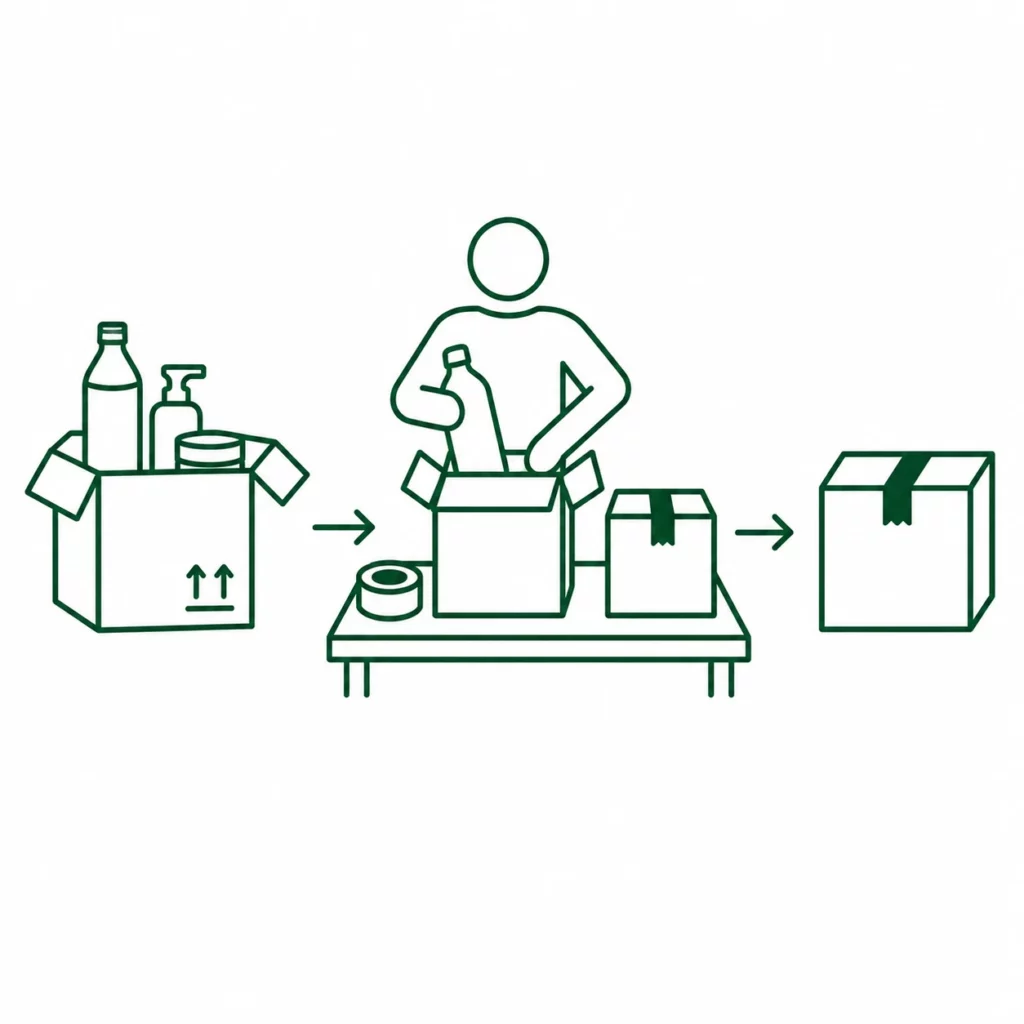
Example 5. You repackage products before selling them
You buy products in bulk or in bulk packs. You then repackage them into your own packaging and only then sell them to customers.
It’s worth bearing in mind
The examples above are for illustrative purposes only. The final assessment depends on the business model, the method of placing packaging on the market, and the trader’s role in the supply chain. In many cases, a case-by-case analysis is required.
Why is it so important to determine a producer’s status?
For many business owners, the answer to the question of who is considered a manufacturer under the PPWR may seem to be nothing more than a formality. In practice, however, much more depends on this answer.
If your company is deemed to be a producer within the meaning of the PPWR, it may be required to comply with a number of new obligations relating to packaging.
Depending on the nature of the business, these may include, amongst other things:
Therefore, determining whether your company is a manufacturer should be the first step before you start preparing for the new regulations.
The declaration of conformity itself is only the final stage
Many entrepreneurs focus primarily on PPWR declaration of conformity. Meanwhile, the document itself merely confirms that the manufacturer has previously carried out the relevant analysis and gathered the required information.
Most of the work is actually done before the declaration is signed.
First, you need to determine which packaging is subject to the PPWR requirements. Next, you should collect technical data, to verify the information received from suppliers and to assess whether the packaging complies with the regulations.
Only once these activities have been completed can the PPWR declaration of conformity be drawn up.
12 August 2026 is closer than it seems
The obligation to draw up a PPWR declaration of conformity will come into force on 12 August 2026. Although the date seems clear, many businesses are still putting off their preparations.
It is worth bearing in mind, however, that preparing a company for its new obligations is not simply a matter of completing a single document.
First, you need to analyse how products are brought to market. Next, you should determine whether the company is in fact a producer within the meaning of the PPWR and what obligations will apply to it. In many cases, it will also be necessary to obtain information from packaging suppliers or material manufacturers.
The greater the number of products and packaging items a company has, the longer it may take to prepare the full set of documentation.
It is therefore worth starting your preparations well in advance, rather than leaving them until the final few weeks before the new obligations come into force.
Not sure whether the PPWR applies to your business? Start by carrying out an analysis
Correctly determining whether a company is a manufacturer within the meaning of the PPWR is the first and one of the most important stages in preparing for the new obligations. Only after such an analysis can it be determined what actions need to be taken and what documents will be required.
We help business owners analyse their business model, determine the scope of their obligations under the PPWR and prepare their company for the new requirements. We also provide support in drawing up technical documentation and PPWR declarations of conformity.
Are you unsure whether the PPWR regulations apply to your business?
If you would like to find out whether your business will be subject to the obligations under the PPWR, please contact us. We would be happy to analyse your situation and help you prepare your business for the new regulations.
e.nadolna@ekologistyka24.pl , +48 881 045 376
j.blazewicz@ekologistyka24.pl , +48 500 867 153