
BDO + SENT + KOBiZE - how to combine systems to avoid duplication of work and errors
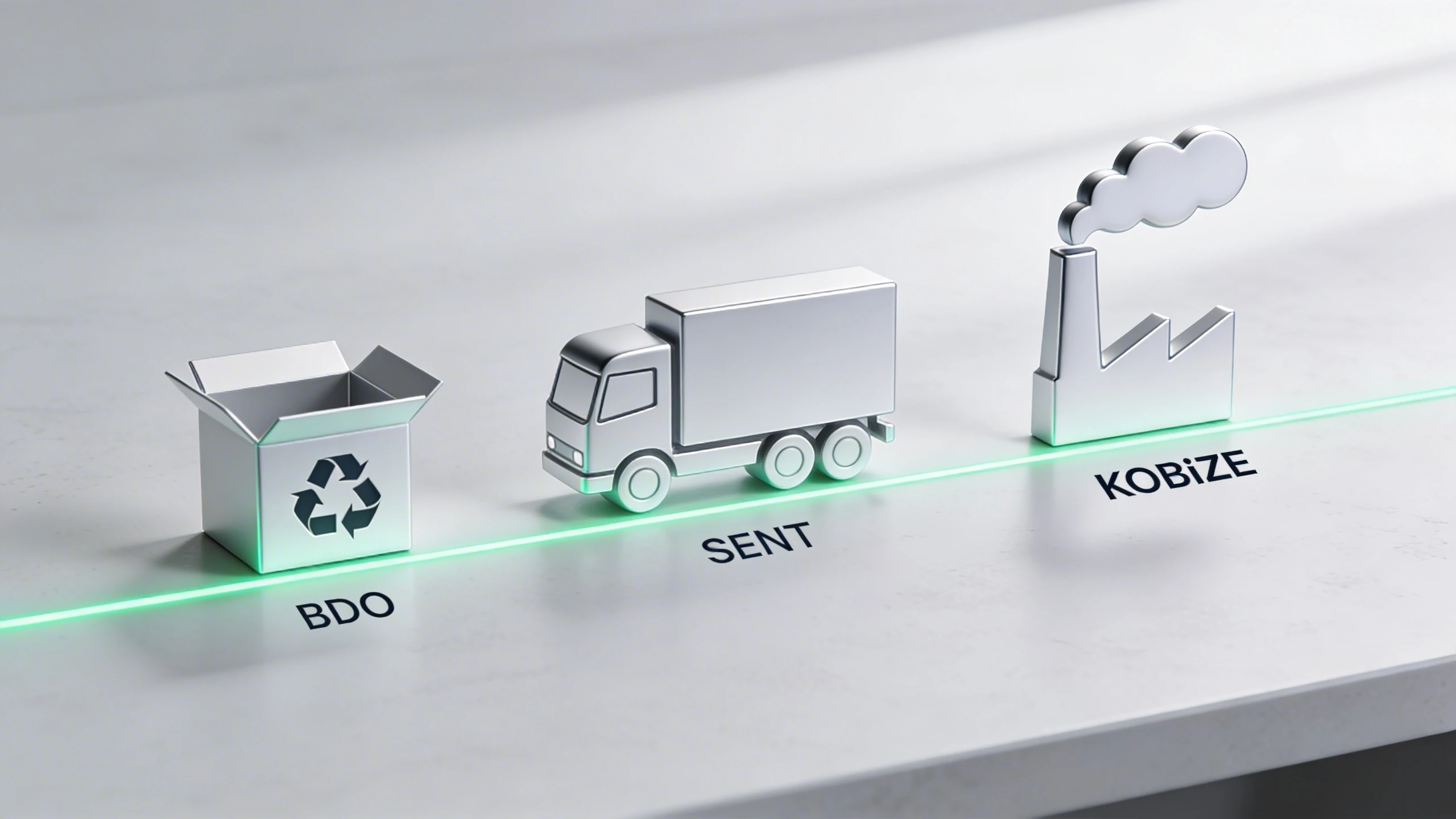
How do you effectively manage distributed environmental reporting systems like BDO, SENT or KOBiZE within a company? We look at mechanisms for integrating operational data with legal requirements and analyse the risks arising from inconsistent reporting to regulatory authorities. The text identifies optimal methods for synchronising the flow of information between logistics, environmental protection and accounting departments.
Need help preparing a BDO report, a KOBiZE report or a SENT notification? Contact us
OPERATION OF BDO AND REPORTS
PREPARATION OF THE KOBIZE REPORT
NOTIFICATIONS SENT
Challenges of environmental reporting systems in Poland
The modern enterprise must efficiently navigate the complex structure of digital reporting platforms such as BDO, SENT or KOBIZE. The main problem is not the operation of the systems themselves, but the complex structure of the regulations, which encourages the isolation of individual processes and a lack of cooperation between departments within the organisation. Those responsible for environmental protection often work independently of the logistics or accounting departments, which generates information chaos. This lack of data flow between departments is a straightforward route to record-keeping errors, which are quickly caught during audits.
Data synchronisation: The key to security
Effective management of reporting obligations requires close correlation of data. The most common cause of administrative sanctions is discrepancies between the weight of waste (BDO), its transport (SENT) and the actual fuel consumption resulting from invoices (accounting). The key to avoiding penalties is to treat the following dates and targets as elements of a single, coherent company information system:
| SYSTEM | DEADLINE FOR SUBMISSION OF THE REPORT | OBJECTIVE |
| BDO | To 15 March each year | Accounting for the weight of waste and packaging for the previous year |
| KOBiZE | To end of February each year | Report on emissions of greenhouse gases and other substances |
| ENVIRONMENTAL CHARGES | To 31 March each year | Financial settlement for the use of the environment (to the Marshal's Office) |
Characteristics of the databases: BDO, SENT and KOBIZE
- Product and packaging database (BDO). The BDO system is the legal and technical basis for waste recording in Poland. Companies register every waste record or waste transfer card in it and prepare annual waste management reports. This platform requires the precise determination of waste codes and their weight to three decimal places.
- Electronic Transport Surveillance System (SENT). The SENT platform monitors the transport of sensitive goods such as fuels, chemicals or waste. Each transport must have a unique reference number, which the driver presents during a roadside check.
- National Balancing and Emission Management Centre (KOBIZE). Reporting to KOBIZE focuses on emissions of greenhouse gases and other substances introduced into the air. Operators must show energy consumption, the type of fuels burned and process parameters. The consistency of the KOBIZE report with purchase invoices and environmental data is subject to rigorous verification by inspection authorities.
Why do distributed data sources generate error risk?
A major problem in managing environmental responsibilities is the manual transcription of data between paper documents and digital platforms. Employees often use spreadsheets that do not provide adequate validation of information. As a result, the same weight of goods may be rounded differently in BDO and SENT. Such minor differences cause state control mechanisms to flag an entity as requiring additional verification. The automated analytical algorithms of the tax and environmental authorities are increasingly exchanging information to detect inaccuracies.
In addition, the lack of a central data register within the company makes it difficult to respond quickly to queries from control authorities. If one person is responsible for KOBIZE and another for BDO, communication between them can be limited. Diffuse systems lacking a unified data format make it time-consuming to reconstruct the full history of operations for an entire year to produce reports.
Methodology for data synchronisation within the company

Effective process synchronisation starts with the unification of information sources. An enterprise should create an internal workflow protocol that dictates data entry standards for all departments. It is crucial that each business operation is recorded only once at its point of origin or directly when the source document is entered. This single entry should be used by all subordinate reporting systems.
The next step is to appoint an environmental reporting coordinator. Such a specialist has insight into BDO, SENT and KOBIZE and can see the interdependencies between them. It is worth implementing the principle of peer review, where data from one source is confronted with another register before it is finally validated.
Optimisation of digital document workflows
Digitising processes is the only way to permanently avoid duplication of work in administration. Instead of storing documentation in paper binders, a company should rely on an electronic data repository. Modern IT solutions make it possible to automatically download data from invoices and convert them into formats accepted by state portals. As a result, the time needed to prepare records at BDO or KOBIZE is reduced from several days to just a few hours.
It is worth noting that the integration of documentation also allows for better control over deadlines. Common task management systems for the logistics and environmental departments ensure that no SENT declaration is missed in the monthly BDO records. Transparency of digital processes also builds trust among employees.
The role of automation in combining reporting obligations
Automated reporting is now a standard in large manufacturing plants and logistics companies. The use of ERP (Enterprise Resource Planning) software, which has dedicated environmental modules, allows for direct connection to the API of state databases. Such systems are able to generate waste transfer cards on their own, based on production or storage orders.
Furthermore, intelligent algorithms can verify the correctness of the parameters entered. If the mass of waste in BDO deviates drastically from the average of the past months, the programme can signal an error even before the data is sent. The investment in technology pays for itself very quickly by saving man hours and not having to pay penalties for formal errors.
Benefits of integrated data management

Combining reporting duties into one integrated process brings tangible economic benefits. The company stops wasting resources on multiple entries of the same data by different employees. Consistent reporting systems increase operational transparency, which facilitates business decisions based on hard environmental data.
The most important benefit, however, remains a sense of legal security. In the face of increasingly frequent and thorough inspections by the GIOŚ or the National Tax Administration, having structured documentation is invaluable. Integrated systems allow the instant generation of reports and statements confirming the reliability of a company.
Author: Jakub Koszyński | Editorial: Pawel Makowski